7 Highly Effective Ways of Journaling That Improves Your Mental Health So You Can Perform Again with Vitality is easier to use when the advice feels practical, simple, and repeatable. This guide walks through clear ways to turn the idea into a writing habit you can actually keep, whether you journal for focus, reflection, planning, creativity, or personal growth.
You know that feeling all too well. You could be at the peak of your day, surrounded by friends, the sun is shining, but something is just not right. It is an uncomfortable feeling in your mind, as well as in the pit of your stomach, making you want to leave and hide away somewhere quiet and dark. Your thoughts consume you, and they are wrecking you from the inside out. No one can see it happening, and chances are they will never know how you truly feel, whilst you fake a smile and pretend everything is alright.
During these times, you may feel like nothing can help you, but that is not true. When you are feeling this way, one of the best things you can do for yourself is perhaps to get a journal, an excellent tool for improving mental health!
Journaling provides you a way to express your emotions in a raw, uncensored, and safe way where you can put your feelings into words, taking that heavy pressure you're always feeling OFF your shoulders!
How to Start Journaling for Mental Health
When it comes to journaling for mental health, find one of the best journals for anxiety, or a bullet journal for mental health. These specific journals are incredible resources for helping you stay on track and fight back on anxiety triggers. Look for one that also has journal prompts for optimal guidance as well. Other things to consider include:
1. Try to write every day, even if it is just for a few minutes. The more often you write, the more you offload your concerns, the better you become at preventing negative thoughts and feelings to stick in your head, which used to be your mental health triggers!
2. Make it easily accessible by carrying the journal with you in your bag if possible. If you know you could face a challenging situation, knowing you'll have something to conveniently turn to, will help assure you that pain relief is not too far away.
3. Write anything down that feels right to you, and do not worry about spelling mistakes or structure. No one will ever be reading your journal except for you, so you do not have to aim to impress anyone.
"Journaling provides you a way to express your emotions in a raw, uncensored and safe way, where you can put your feelings into words"

You may be wondering what to even write. In all honestly, there really are no rules when it comes to what you write, but for the best results, write down things that you would never dream of saying to another person. When writing, let out all your worries, fears, and feelings.
This is your safety net and the holder of all your thoughts, and you have the ultimate say if you feel like sharing them or not. You will find that this is an incredibly empowering and therapeutic practice that will improve your mental health in numerous ways.
1. Tap into The Unspoken Parts of Yourself
Mental health is a silent disease that eats away at you little by little, making you shut down and hide away. A journal for mental health allows you to tap into parts within yourself that you have hidden away for so long.
It helps you see who you are as an entire person rather than just the show you put on out in public. You do not have to ignore or pretend parts of you do not exist when journaling and allowing that to build up inside of you. Remember, the more often you write, the better you will feel because you are not allowing thoughts to fester in your head for long durations.
2. Reduce and Relief that Stress and Anxiety
Anxiety is something that no one wants to live with. It can be downright debilitating, and it feels even worse when you cannot talk to anyone about it. With that being said, there is nothing better than letting out your rage on paper.
Doing so releases those heavy emotions in a healthy way that does not hurt you or other people. When you have a bad day, writing will drastically help you see the bigger picture of things and allow you to calm your anxiousness.
"Writing will drastically help you see the bigger picture of things and allow you to calm your anxiousness."

3. Keep Track Of Your Symptoms
Another benefit for mental health journaling is the fact you can track your symptoms. Before you started writing, you may have just been going with the flow, and when a mental health episode occurred, you did not actually take the time to figure out if there was a common theme that caused it.
By journaling, you can find these things and work towards remediating it. Tracking allows you to see your patterns and analyze what your primary triggers are. By becoming more self aware, having your own analytics will help you learn better ways to anticipate your symptoms.
4. Helps You Visualize & Prioritize Your Problems
Everyone has problems to some degree, but someone with mental health problems, every one of their problems may feel equally weighted even if that is not the case in reality. Both big and small issues can feel the same because they are all mixed together to form one big emotion that can leave you feeling hopefulness.
When all of your problems are rattling around in your head, they can all feel overwhelming. By putting them down on paper, you will be able to visually see each one and realize that some are not as big of a deal as others. This will help you prioritize each problem so you can tackle the more concerning ones first.
"By becoming more self aware, having your personal analytics will help you learn better ways to anticipate your symptoms "

5. Manage Your “Monkey Mind”
If you suffer from anxiety, then you may tend to overthink and spin out on things that other people may not see as an issue (monkey mind). You may find yourself replaying conversations in your head to try and pick out hidden messages or dwelling the things you did or did not say.
To tame your bouncing brain, journaling should be your go-to coping mechanism. This will help you dish out what you are feeling, why you are feeling that way, and help you avoid those triggering situations in the future.
6. You Become in Control Of Your Own Thoughts
Journaling allows you to take control of your thoughts and feelings in a way you may have never been able to do before. With thoughts swirling around in your head, taking out a pen and paper will get rid of that tangled mess.
It makes everything feel much more manageable and allows you to put things into perspective. When you are feeling out of control, bring yourself back to reality by writing it down.
7. You Will Know Yourself Better
By diligently writing about your deepest thoughts, you will start to know yourself much better than before. Knowing who you truly are from the core all the way to your outsides is a remarkable feeling. You will find out what makes you happy, what makes you sad, and have a clear picture of how you want your life to be.
You will know what you need, what you do not need, and realize all of the things you know you deserve out of life. This kind of self-awareness is something that not many people get to experience, and if you want to get to this level, then start by picking up the pen.

Conclusion
Suffering from mental health issues sucks. It is as simple as that. No one is immune to mental illness, and if you want to give yourself a better-quality life, journaling is an invaluable outlet for you to feel better during difficult times. Writing has always been a key aspect of promoting better mental health and a way to create order when your world feels like chaos.
As you can see, there are so many positive aspects you can get by proactively getting your feels out, making this one of the best methods to at least try. Do not let the negative thoughts take over your mind. Spill them out onto paper, gain the benefits, and take back your life.
If you suffer from mental health, and have yet tried journaling, definitely give it a go, as your highest priority should be to start picking up a range of self-care habits, especially those that have helped others overcome their mental health issues, so that you can live without the weight of your mental burdens, and be able to enjoy living life once again in a state of happiness, contentment and relief.
Wishing you all the best that you deserve.
LeStallion

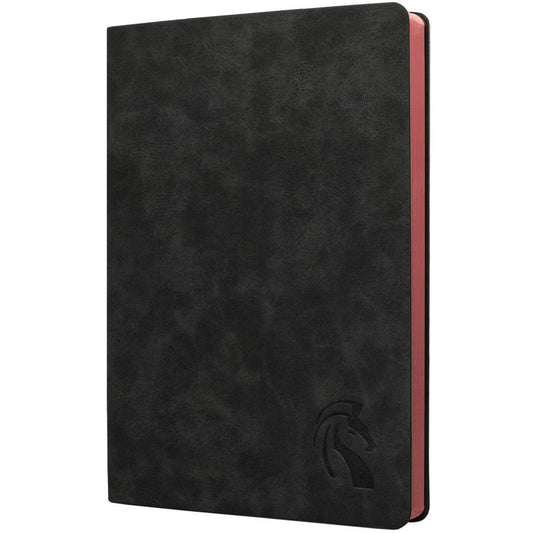
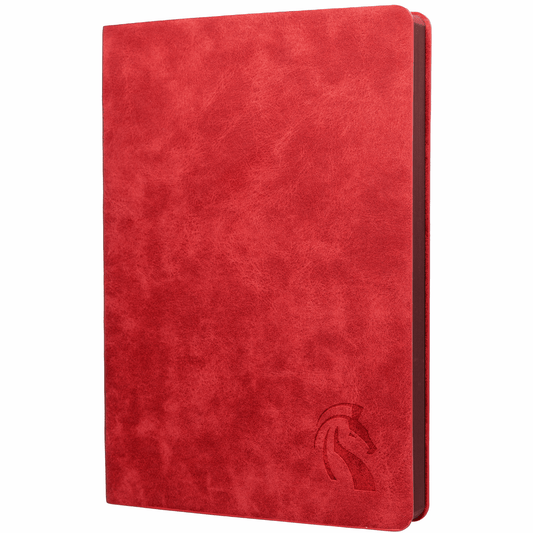
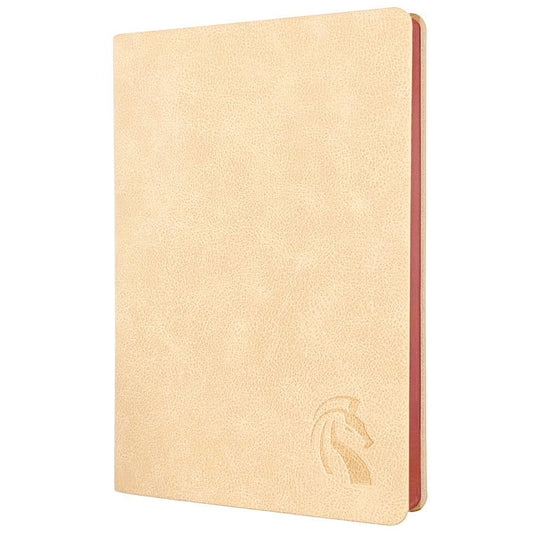
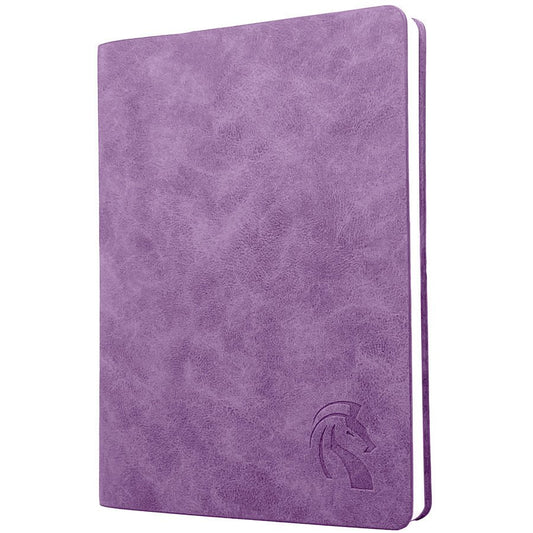
Use a notebook that feels comfortable to write in and easy to keep nearby. Smooth paper, durable binding, and a size you actually carry can make the habit easier to maintain.
What notebook works best for mental health?
A few minutes most days is enough for many people. Daily writing can help, but a steady routine two or three times a week is better than forcing a schedule you will not keep.
How often should I practice mental health?
Start small and make the habit easy to repeat. Choose one simple prompt, write for a few minutes, and focus on consistency rather than perfect pages.
What is the best way to start with mental health?
Frequently Asked Questions
Ready to make journaling easier?
Explore LeStallion notebooks designed for daily writing, planning, reflection, and creative thinking.