Tips for Making Journaling Part of Your Daily Routine is easier to use when the advice feels practical, simple, and repeatable. This guide walks through clear ways to turn the idea into a writing habit you can actually keep, whether you journal for focus, reflection, planning, creativity, or personal growth.
The way to ensure that journaling works for you is to do it long term. Long-term journaling gives you more insight into your life because you’ll be able to look to the past, present, and even the future (sort of) to get answers in your life. But first, you have to do it. And you need to do it daily to make it a habit. Let’s review a few tips for making journaling part of your daily routine.
* Make It Easy – Don’t make it a huge deal, and it’ll be simpler to get done. For example, it’s easier to use a notebook and paper than a computer for most people. You can have the book in your bag or on your bedside table or wherever you plan to write in it.
* Choose a Time That Works – The best times to do it are early morning, first thing, or the last thing before you go to bed. However, that might not work for some people. If you know a better time, do it. For example, some people like journaling while on lunch at work in the park. It’s up to you.
* Get a Drink and Eat a Snack – You don’t want to have any excuses or extraneous thoughts while you’re writing in your journal. Make sure you’re fed and hydrated.
* Create a Comfortable and Assessable Space – It’s easier to get into your thoughts if you’re comfortable and not thinking about how bad your tailbone hurts or your wrist hurts. Some people like using a desk, some a comfy easy chair, others their bed.

* Combine It with Something Else You Enjoy Doing – If you enjoy cleaning the house, then reading in your clean house with the windows open and the breeze flowing in, why not journal at that moment? If it’s a daily thing, add journaling to it, and it’ll create a habit fast.
* Add Some Relaxing Music to Set the Mood – Now it’s true that some people prefer silence, so that’s fine if you do. But consider trying some music that doesn’t have words and that is relaxing, to help you gather your thoughts and say calm and focused.
* Use a Particular Type of Journal – For some people, using a style of journaling like bullet journaling, prayer journaling, project journaling, and more, works better since it defines some rules for entry.
* Consider Using Journaling Prompts – You can also find journaling prompts online for any type of journal you want to use.
* Reward Yourself – When you have been diligent for a month writing in your journal, take some time to read what you wrote, then reward yourself for doing it. You might buy some colored pens or some scrapbooking materials so you can add some definition and interest to your journal.
To truly experience the full benefits of journaling, it needs to be done most days, which is why you need to find a way to incorporate journaling into your everyday life. The best way to accomplish this is to make it easy and turn it into a habit.

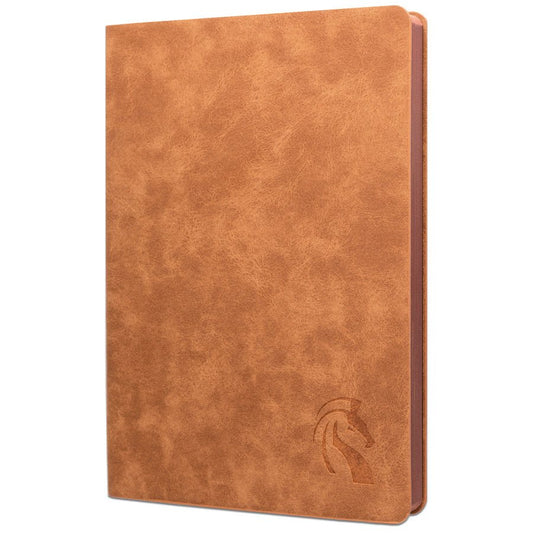
Use a notebook that feels comfortable to write in and easy to keep nearby. Smooth paper, durable binding, and a size you actually carry can make the habit easier to maintain.
What notebook works best for making part daily?
A few minutes most days is enough for many people. Daily writing can help, but a steady routine two or three times a week is better than forcing a schedule you will not keep.
How often should I practice making part daily?
Start small and make the habit easy to repeat. Choose one simple prompt, write for a few minutes, and focus on consistency rather than perfect pages.
What is the best way to start with making part daily?
Frequently Asked Questions
Ready to make journaling easier?
Explore LeStallion notebooks designed for daily writing, planning, reflection, and creative thinking.