Should I Shake My Fountain Pen Ink? is a practical question for anyone who wants smoother, cleaner fountain pen journaling. This guide gives a clear answer, then explains how paper, ink, nib choice, and notebook design affect everyday writing.
History of Shimmering Inks
Shimmering inks have been around for centuries and were often used in calligraphy and other forms of art. In the past, shimmering inks were made by grinding minerals like gold and silver into a powder and mixing them with ink. Today, modern shimmering inks are made with synthetic materials like mica, which produce a similar effect.
How Shimmering Inks Work
Shimmering inks work by using a suspension of glitter or mica particles in the ink. These particles are typically too heavy to stay suspended in the ink, so they settle at the bottom of the container. To use the ink, you must shake the container vigorously to redistribute the particles throughout the ink. When you write with shimmering ink, the glitter or mica particles are evenly dispersed throughout the ink and leave a shimmering trail on the paper.
Choosing the Right Shimmering Ink
When choosing a shimmering ink, it's essential to consider the color, particle size, and base ink type. The color and particle size will determine the intensity of the shimmering effect, and the base ink type will affect the ink's overall characteristics. For example, dye-based inks tend to be more vibrant and colorful, while pigment-based inks tend to be more subtle. It's essential to experiment with different types of shimmering inks to find the ones that work best for your needs.

Using Shimmering Inks for Calligraphy
Shimmering inks are perfect for calligraphy as they can add a touch of elegance and glamour to your writing. When using shimmering inks for calligraphy, it's essential to choose the right pen and paper. A pen with a broad nib is ideal as it allows the shimmering particles to be showcased more prominently, while high-quality paper with a smooth finish is best as it will allow the ink to flow smoothly.
Using Shimmering Inks for Artwork
Shimmering inks can also be used for artwork and can create stunning effects when used with a brush. When using shimmering inks for artwork, it's essential to experiment with different brushes and paper types to find the ones that work best for your needs. Some shimmering inks are more suited to certain types of brushes, and some paper types can provide a better surface for the ink to adhere to.

Conclusion
In conclusion, writing with shimmering inks is a beautiful and artistic way to make your writing stand out. In this article, we covered the history of shimmering inks, how they work, and how to choose the right shimmering ink for your needs. We also discussed using shimmering inks for calligraphy and artwork, and the importance of choosing the right tools and paper. Whether you're a calligrapher, artist, or just looking to add a touch of elegance to your everyday writing, shimmering inks are a perfect choice. With the right tools and techniques, you can create stunning and unique pieces of writing and artwork that will impress everyone.

Frequently Asked Questions
What is the simple answer to “Should I shake my fountain pen ink"?
The best answer depends on your pen, ink, and paper combination, but fountain pen journaling is easiest when the paper is smooth, resists feathering, and handles ink without heavy bleed-through.
How do you make fountain pen easier?
Use fountain-pen-friendly paper, let wet ink dry before closing the notebook, and test new inks on a back page before writing long entries.
What kind of notebook works best with fountain pens?
Choose a notebook with smooth, ink-resistant paper, durable binding, and enough page weight for your preferred nib and ink flow.
Make fountain pen journaling smoother.
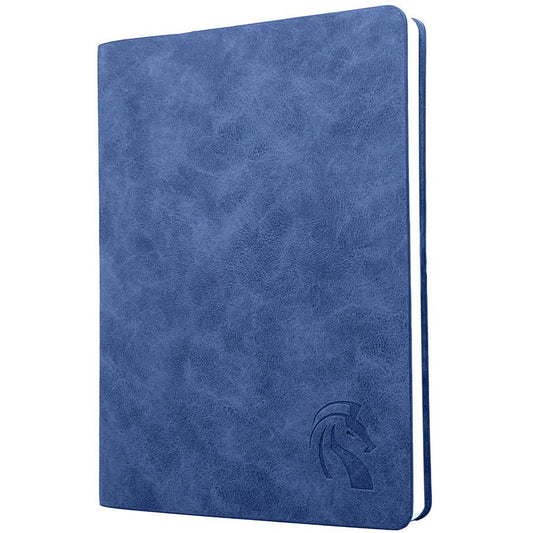
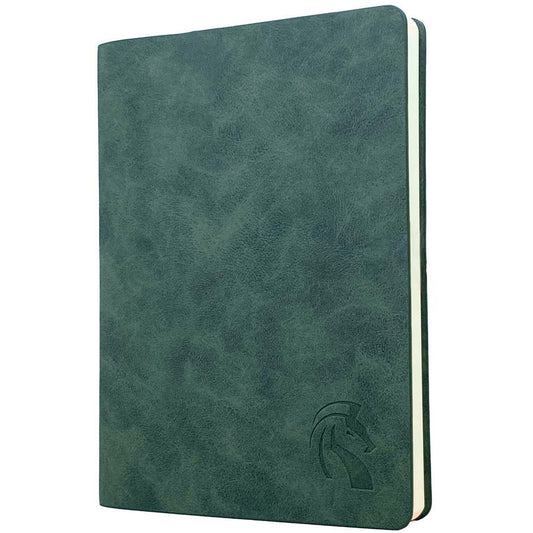
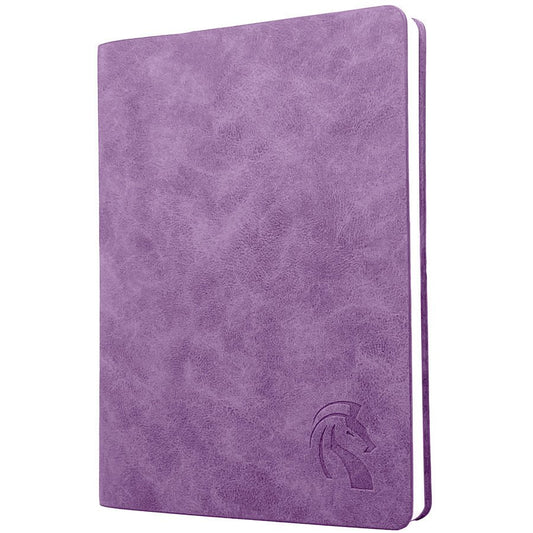
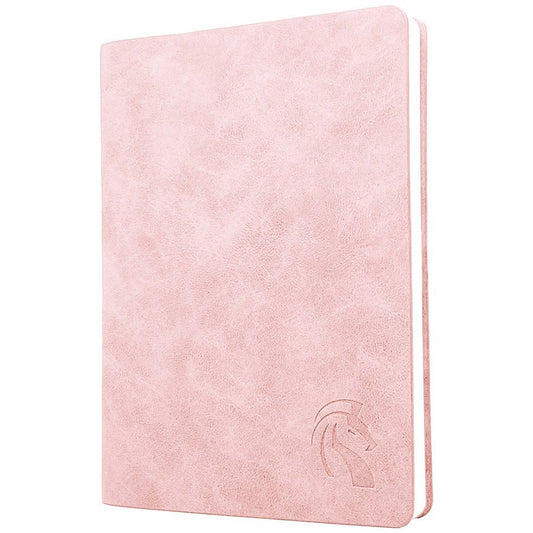
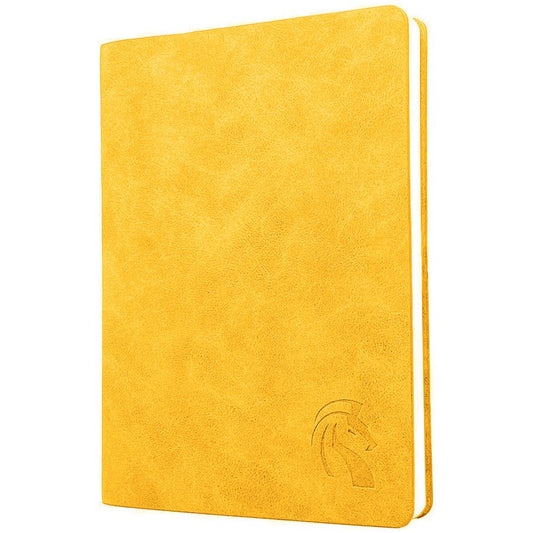
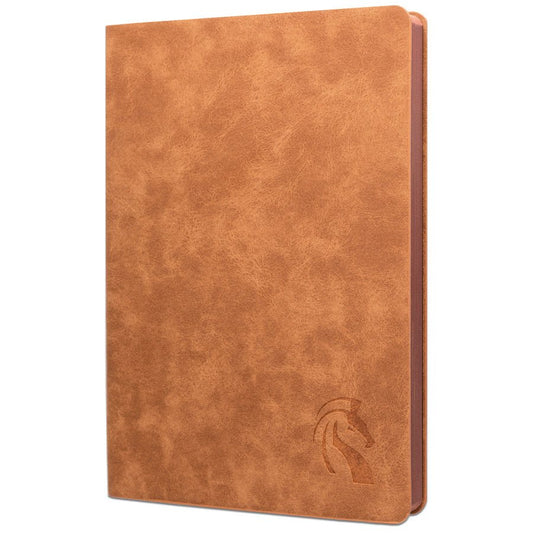
Explore LeStallion notebooks with smooth, fountain-pen-friendly paper for journaling, notes, and daily writing.
Related reading: Does ink dry in fountain pen? and How toxic is fountain pen ink?.