How Do I Start a Daily Journal? is a practical question for anyone trying to make journaling feel useful instead of complicated. This guide gives a clear answer, then shows how to turn the idea into a simple writing habit for focus, reflection, planning, and personal growth.
The practice of journaling has been popular for hundreds of years; but, the days of recording every minute detail about our day in a "Dear Diary" format are passed. These days, we use social media for that purpose, right? These days, daily notebooks are streamlined, go straight to the point, and provide a plethora of useful benefits.
Keeping a gratitude notebook can assist you in remaining calm and focused during challenging times by drawing your attention to the many blessings in your life.
What should you not write in a journal?
Writing, whether creatively or about your day, may help improve your writing style and boost your memory. Writing is arguably the most accessible "brain workout" because all you need is a piece of paper and a pen to get started. Writing can help you improve your writing style and boost your memory.
Writing in a journal can also help you de-stress while also bringing to your attention how hard you are working and how much you are capable of achieving.
You can incorporate journaling into any other form of self-care practice that you are already familiar with, whether it be yoga, meditation, walking, or even just writing before bedtime after a relaxing soak in the tub.
How to keep a journal and how frequently you should do so
Everyone is unique, and just as you may find that different times of the day are better for you to meditate, you may also find that different times of the day are better for you to write. For some people, writing in a journal first thing in the morning is the most effective approach to get into a positive frame of mind, while for others, writing in a journal before going to bed will help them get a better night's sleep.
You can also enjoy weekly and monthly journaling rituals to look back on what has transpired and set plans for the following week or month to assist you in remaining on track with your creative, personal, and professional goals.

Keeping a daily notebook might become a lasting habit with the help of the following suggestions:
Put some words down on paper every day.
You could start your day by writing down something you'd like to accomplish that day, and then at the end of the day, you could put down something you're thankful for. Begin with something simple, and you'll find that you're eventually writing more.

Use your imagination.
Everyone can benefit from having a pastime that involves creative writing. You don't have to want to be published in order to write; all you need to do is write for yourself and let your imagination carry you anywhere it wants to go!
Remember that writing about memories may also be a pleasant experience, and that reflecting on happy childhood memories can have a significant impact on elevating your mood.

Plan, plan, plan
Keeping a journal can truly assist you in getting more out of each day and week of your life. Start by thinking about the broad picture: what do you want to accomplish in the next 30 days? After there, separate it into goals for each week and each day. You should be ready for the unexpected twists and turns that life might bring, but you should also be sure to keep an eye on your to-do list so that you can stay on track.
Include this in your regular regimen of self-care.
If you are a meditator or a yogi, you might want to consider keeping a notebook either immediately before or shortly after your practice so that you can reflect on the feelings that have surfaced for you throughout your practice. If you don't meditate or do yoga, you could try writing in a notebook before bed to clear your mind of any distracting thoughts that could otherwise keep you up all night.
What format should I use for my journal?
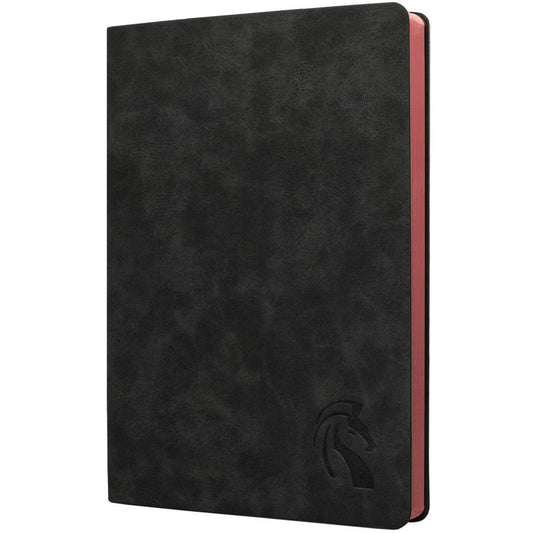
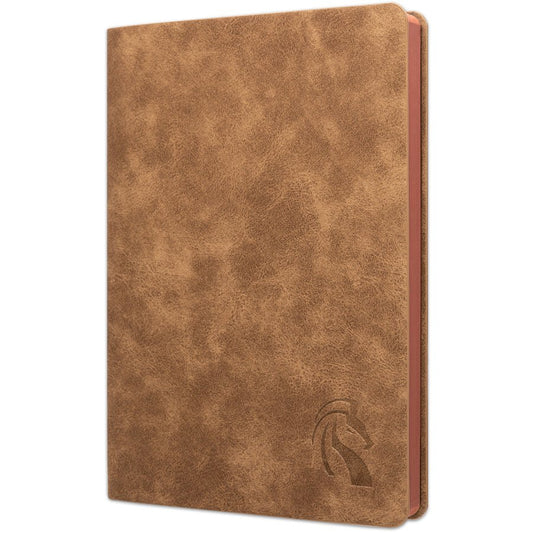
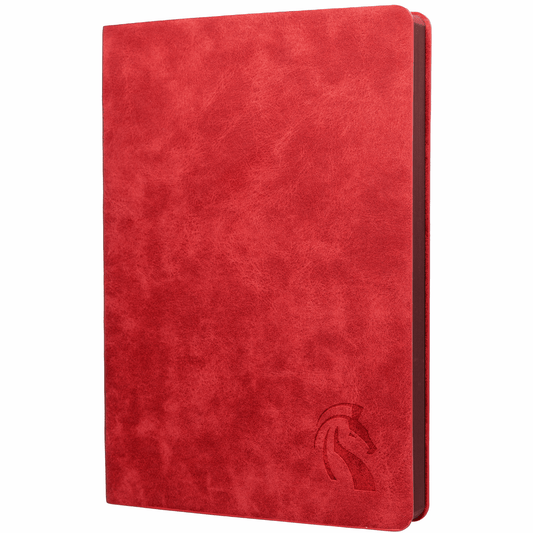
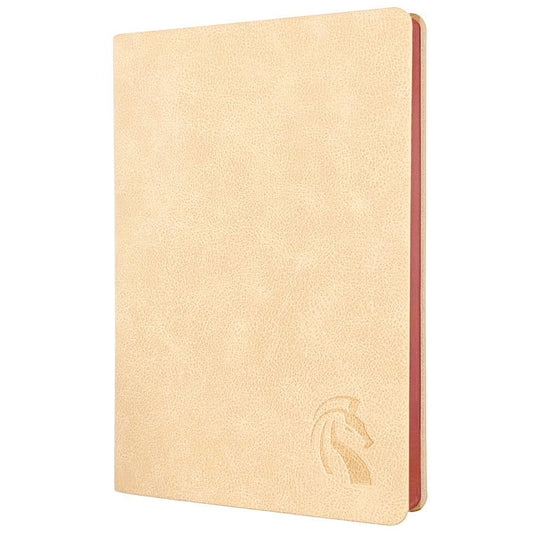
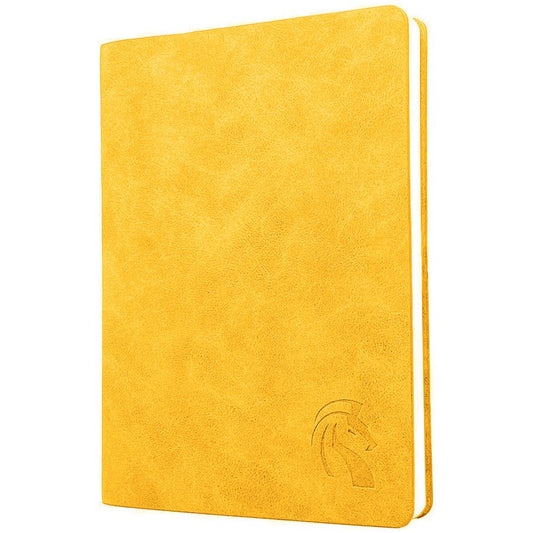
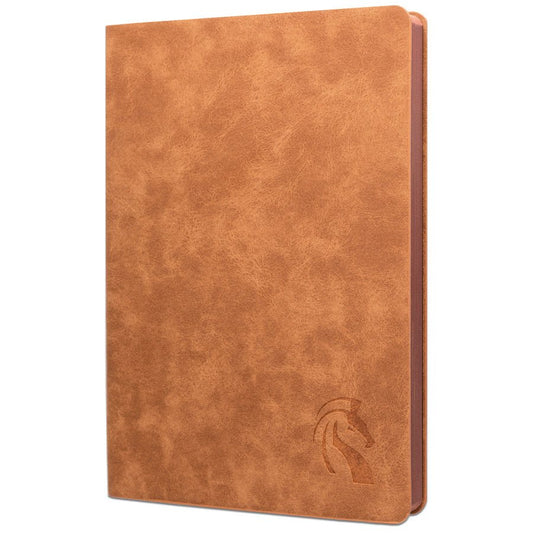
The simple truth is that all you require to keep a journal is a writing instrument and some blank paper. You can use virtually any old notebook. Nevertheless, if you want to turn journaling into a routine part of your life, you might think about purchasing a unique notebook that you can use solely for recording your own ideas and observations.
There are numerous items available on the market that may provide you with daily prompts, and this one in particular is a favorite of ours: The Five Minute Journal: A Daily Gratitude Journal for Happiness, Mindfulness, and Reflection by Intelligent Change is a short journal that may be completed in only five minutes each day.
Use lines on a standard notebook so that your writing does not get too jumbled as your thoughts take over. This will help you stay organized.
Journaling on the fly works really well with A5-sized notebooks that are on the smaller side.

How to get started keeping a notebook focused on mindfulness
The prospect of writing on a blank page causes anxiety for many of us. It's possible that you don't want to dirty up those fresh, white pages with an error, but it's vital to keep in mind that no one else will be reading your work, so you can relax and have some fun with it.
You are in luck if you have never kept a notebook before and are unsure how to begin doing so for the very first time.
In order to be of assistance to you, we have packed our HLN Journaling Guide with of various suggestions. ranging from journaling for mindfulness to prompts for creative writing. Everyone can find something that appeals to them here. It provides a weekly print-out that you are free to use whenever you want to add structure to your journaling and can use as many times as you like.
Everyone will find different aspects of journaling to be enjoyable, so it is important to experiment with a variety of ways and determine which ones work best for you.

Frequently Asked Questions
What is the simple answer to “How do I start a daily journal"?
The best answer depends on your goal, but journaling works best when it is simple, private enough to feel honest, and easy to repeat. Start with a few minutes and let the habit grow naturally.
How can men make start daily easier to stick with?
Use a clear prompt, keep the notebook visible, and write in short sessions. A consistent routine matters more than long entries or perfect wording.
What kind of notebook is best for this habit?
Choose a notebook that feels good to use and is easy to keep nearby. Smooth paper, durable binding, and a size that fits your routine can make journaling feel more natural.
Make journaling easier to keep.
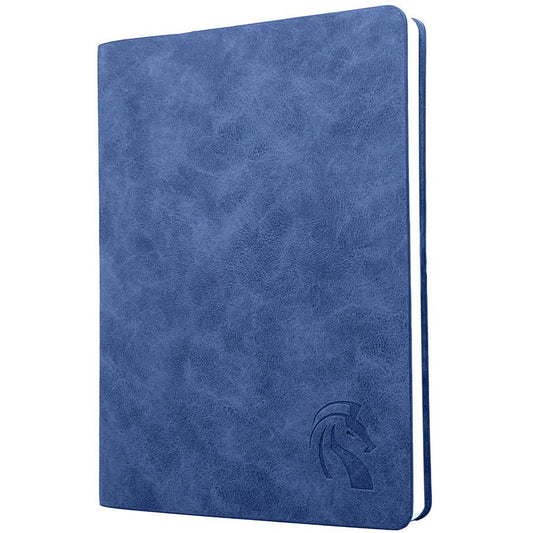
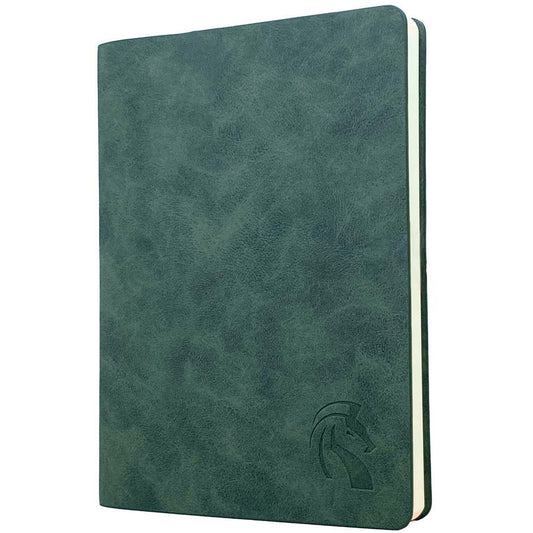
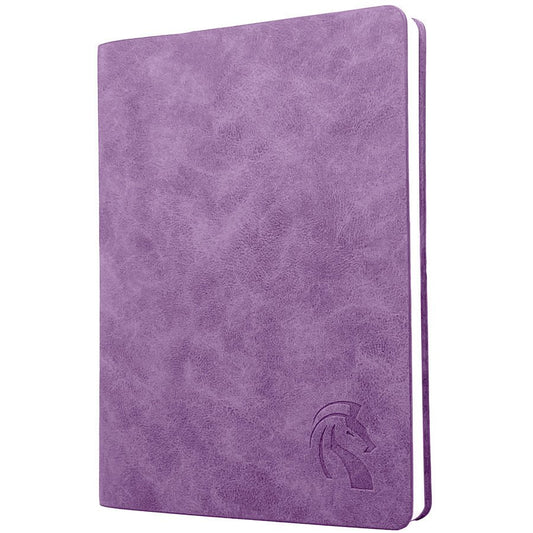
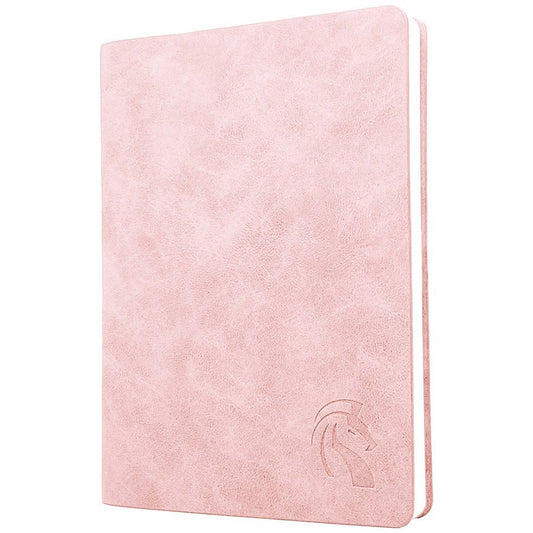
Explore LeStallion notebooks made for daily reflection, planning, focus, and personal growth.
Related reading: How do you start writing a journal? and What should I journal daily?.