Can You Leave Fountain Pen Uncapped? is a practical question for anyone who wants smoother, cleaner fountain pen journaling. This guide gives a clear answer, then explains how paper, ink, nib choice, and notebook design affect everyday writing.
How do I stop my fountain pen from skipping?
A: the anatomy of a fountain pen nib and skipping
When a fountain pen skips, it writes with strokes that are incomplete or absent entirely. This takes place either when the feed is unable to deliver a sufficient amount of ink to the tip of the nib or when the tines on the nib are not properly aligned. Fixing the first issue shouldn't be too difficult, but repairing a nib that isn't aligned properly should be done by an expert pen technician.
To begin, you should make an attempt to clean the fountain pen by letting it soak in water and then flushing it with water. A thorough cleaning of the fountain pen is the solution that will most frequently fix the issue. When there is debris in the feed tube of a fountain pen or when the ink has dried out, the pen may skip. It's always a good idea to flush the pen before using it for the first time, as some brand-new pens may have debris that was left over from the manufacturing process. If you have a pen that has dried fountain pen ink in it, you can try cleaning it with a pen flush to get it nice and clean.
Are fountain pens high maintenance?

If you have cleaned the pen, but it is still skipping, you could try a thinner ink like the Sheaffer Skrip ink or the Sailor Jentle ink that is self-lubricating to see if that helps. Both of these inks are available from Sailor.
Keep in mind that the ink from a fountain pen dries out when it comes into touch with air. Always remember to put the cap back on your pen when you're done using it. When the cap of a pen is kept off for an extended period of time, the ink that is contained within the feed can dry out, which can result in clogging, skipping, and other writing troubles.
Another tip is to dilute the ink in your pen with a little bit of pen wash to make it easier to write. This may have a very minor effect on the color, but it will generate a solution that is more watery and will run more easily through your pen. In addition to that, using it can help clean the pen as you go.

If you have cleaned the pen and tried several different inks, but the issue persists, it is possible that the nib alignment has to be adjusted. Be aware that if you make any alterations to the nib, it could violate the guarantee on the pen, and we do not encourage making these adjustments to anyone, especially for more expensive pens.
The first thing you need to look at in terms of nib alignment is whether or not the tines are too close together. It is possible to use either a piece of paper or a brass shim to shim the space between the tines. This will assist in the spreading of the tines. To spread the tines on your pen, you can also try pressing the nib against your thumbnail or the paper with a little bit of pressure. It is imperative that you exercise extreme caution so as not to spring the nib with an excessive amount of power.

Next, inspect the front of the feed to ensure that the tines are not detached from the feed. If you look at the nib from the side, it is simple to determine whether or not there is a light gap. Put the nib back where it was with some gentle bending. It is possible that it will be simplest to run the rear of the nib along the edge of a desk. However, you should be careful not to put too much strain on the front tip of the nib because you may bend it beyond repair.
Verify that the tines are arranged in the correct manner. A quick test can be done by drawing angled or diagonal lines in four different directions to determine whether or not there is greater drag in one direction compared to the others. Keep in mind that strokes going upward are not usually as smooth as ones going downward. For example, moving from left to right may cause you to experience increased resistance. If this is the case, then there is a difference in height between the two tines. You might make an attempt to get them aligned by bending the tines into position.

The bottom of a baby's diaper is often the final culprit behind dry fountain pens. This occurs when there is excessive tipping on the nib, which results in rounded tines that eventually detach from one another. The problem can be rectified by giving the nib a little sanding with very fine mylar paper or micromesh.
I really hope this clears up any confusion you may have had about how to fix a fountain pen that skips.

Frequently Asked Questions
What is the simple answer to “Can you leave fountain pen uncapped"?
The best answer depends on your pen, ink, and paper combination, but fountain pen journaling is easiest when the paper is smooth, resists feathering, and handles ink without heavy bleed-through.
How do you make fountain pen easier?
Use fountain-pen-friendly paper, let wet ink dry before closing the notebook, and test new inks on a back page before writing long entries.
What kind of notebook works best with fountain pens?
Choose a notebook with smooth, ink-resistant paper, durable binding, and enough page weight for your preferred nib and ink flow.
Make fountain pen journaling smoother.
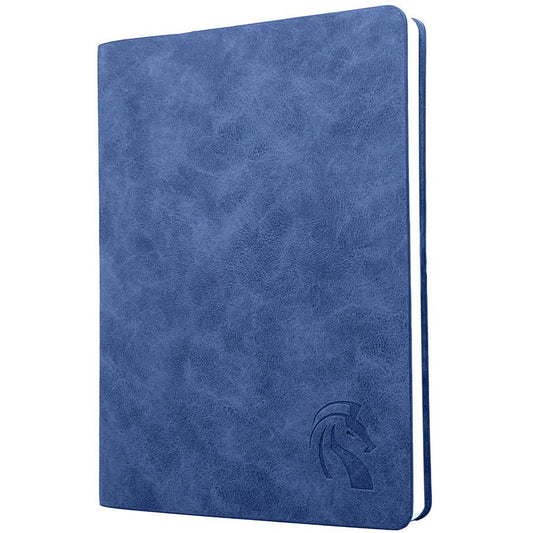
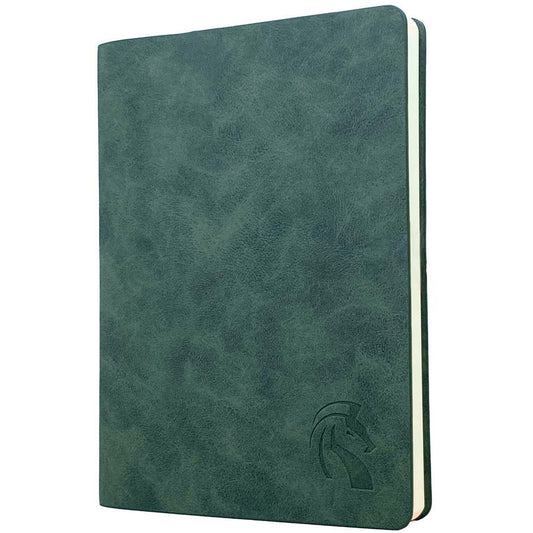
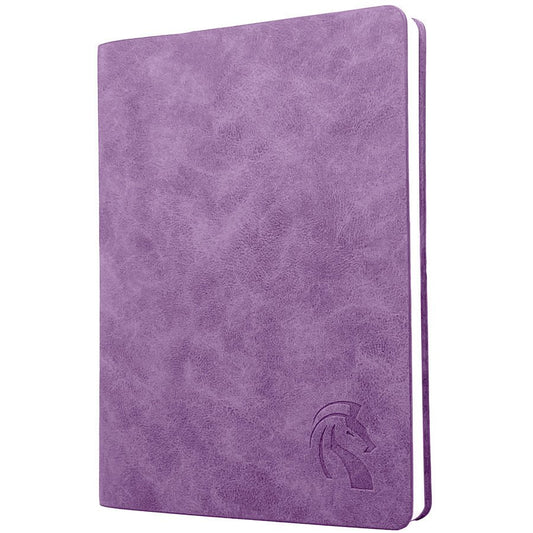
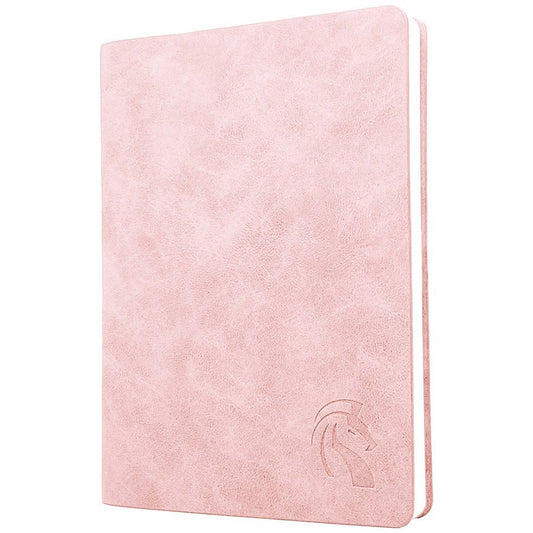
Explore LeStallion notebooks with smooth, fountain-pen-friendly paper for journaling, notes, and daily writing.
Related reading: How long should I leave a fountain pen in water for?.