


- Two-page weekly layout keeps the entire teaching week visible.
- Oversize A5 format provides generous space for handwritten lesson planning.
- Teacher-focused organization supports classes, appointments, and weekly priorities.
- Paper planner format keeps schedules accessible without digital distractions.
- - Spacious weekly pages make schedule changes easier to track clearly.

The two-page weekly view is exactly how a busy teaching schedule should be laid out
The BRUNNEN Teacher’s assortment planner uses a two-page layout for each week in an oversize A5 format, giving teachers a broad view of upcoming lessons and commitments without moving between several pages. When comparing the best planner for teachers, that weekly visibility matters because teaching schedules involve much more than recording the time a class begins.
A normal school week can include lessons, planning periods, staff meetings, assessment deadlines, parent communication and administrative tasks. Seeing those commitments together makes it easier to notice when one day has become overloaded before the week actually begins.
The two-page weekly structure is particularly useful on Sunday evening or Monday morning. A teacher can look across the upcoming days and identify where lesson preparation, marking and meetings need to fit around scheduled classes.
That reduces the need to keep the entire week in memory. A visible weekly schedule makes workload easier to manage, especially when several classes are moving through different topics at different speeds.
The oversize A5 format helps here too. It remains reasonably compact while providing more writing room than a very small pocket diary.
Paper planning still works because classroom schedules change constantly
A teacher planner needs enough space for changes because lessons rarely progress exactly according to the original plan. A discussion may take longer than expected, a school event can interrupt a class, or students may need another lesson before moving into the next topic.
A weekly paper planner provides a quick place to record that change. There is no app to open and no menu to navigate before writing a short reminder beside the relevant lesson.
For example, a teacher might plan to begin a new chapter on Thursday but discover on Wednesday that the previous material needs another session. Handwritten changes can be recorded immediately beside the schedule, making the following day's adjustment visible when the planner is opened again.
This is also useful for assessment deadlines. Marking thirty assignments takes real time, and simply writing the submission date without reserving time afterward for grading can create an unrealistic weekly plan.
A better approach is to schedule the work surrounding the deadline as well. Record when assignments arrive, when marking will happen and when feedback needs to be returned.
The same principle applies to lesson preparation. A Friday lesson requiring printed worksheets should have a preparation reminder earlier in the week rather than depending on the teacher remembering everything on Friday morning.
The two-page spread makes these dependencies easier to see. Good teacher planning includes preparation as well as teaching, because classroom time is only one part of the actual workload.
Color coding can help, but it should remain simple. Using one color for teaching, another for meetings and perhaps another for assessment deadlines is easier to maintain than creating a complicated system that requires constant interpretation.
Why we believe this BRUNNEN deserves our number one position
The BRUNNEN earns our top ranking because its basic format fits the way teachers actually need to view time. A complete week across two pages provides enough context to understand workload without forcing the user to flip through separate daily pages constantly.
The oversize A5 dimensions provide another useful balance. There is enough room for practical handwritten planning, while the planner remains more manageable than carrying a large desktop-sized organizer between classrooms and meetings.
That portability matters for teachers who do not remain at one desk. The planner can move between the classroom, staff room and home while keeping the same schedule and notes together.
The paper format also creates a useful separation from digital work. Teachers already spend considerable time looking at learning management systems, email, presentations and school administration software, so checking the next lesson does not necessarily need another screen.
A physical planner also stays visible when placed open on a desk. That can be useful during the school day because the next commitment can be checked with a glance rather than unlocking a phone or opening another computer window.
There are limitations. A paper planner cannot automatically move an appointment, send reminders or synchronize a changed meeting time across devices, so teachers still need to transfer important updates when their school uses digital calendars.
The 2023/2024 dating is another important consideration with this particular listing. A dated academic planner is inherently tied to its intended school year, so buyers should verify the exact edition and usable dates before purchasing rather than assuming an older listing has been updated automatically.
As an organizational design, though, the weekly structure remains excellent. The value comes from having enough space to see classes, preparation, deadlines and meetings together instead of treating every day as an isolated schedule.
That is why we believe the BRUNNEN Teacher’s Weekly Oversize A5 Planner deserves the number one position in our Best Planner For Teachers ranking. Its two-page weekly layout and spacious A5 format provide a practical balance of visibility, writing room and portability, making it especially useful for teachers who want lesson planning, meetings, assessment deadlines and everyday school responsibilities collected in one straightforward physical planner.

- 2026-2027 dated format covers a complete academic planning cycle.
- Daily page structure provides generous room for detailed teacher schedules.
- Dedicated planning space helps separate appointments from everyday task lists.
- Long-range organization supports school deadlines, meetings, and personal commitments.
- - Structured daily format works well for teachers managing busy workloads.
The daily format gives busy teachers room to write what actually happens
The Emily Ley 2026-2027 Daily Planner takes a more detailed approach to organization than a compact weekly diary, giving users dedicated daily planning space across its dated schedule. When comparing the best planner for teachers, that matters because a teacher's day can contain classes, preparation periods, meetings, grading, parent communication and administrative work that simply does not fit neatly into one tiny weekly box.
The 2026-2027 date range is particularly relevant for educators planning around an academic year. Important school events can be entered well in advance rather than moving between several notebooks or temporary calendars as the year progresses.
Daily planning space becomes useful once the timetable gets crowded. A teacher can record scheduled commitments alongside the smaller tasks that need to happen between them instead of pretending that a lesson timetable represents the entire working day.
For example, a Wednesday may include four classes, a department meeting and a stack of assignments that need marking before Friday. Dedicated daily space makes that workload easier to see, including the work that happens outside actual classroom hours.
This also helps with prioritization. When everything is written in one place, it becomes easier to identify what absolutely needs to happen today and what can realistically move to another day.
A daily planner works best when you stop treating every task as equally urgent
Teachers can easily create enormous task lists because the work never arrives in one neat category. There are lesson plans, emails, printing, grading, student follow-ups, meetings and deadlines all competing for attention.
A daily planner provides enough room to separate scheduled events from flexible work. That distinction is important because a meeting at 3:30 cannot simply be moved because the marking took longer than expected.
The practical approach is to enter fixed commitments first. Schedule immovable events before filling the remaining time, then place preparation and administrative work into the realistic gaps that remain.
This prevents one of the most common planning mistakes: writing ten hours of work into a day that already contains six hours of scheduled teaching. The page may look beautifully organized in the morning, but the plan was impossible before the first lesson even started.
Assessment deadlines deserve similar treatment. Recording only the student submission date ignores the hours of work that follow when those assignments need to be graded.
A better system is to schedule the marking itself. If thirty papers arrive on Thursday, reserve realistic grading blocks on Thursday afternoon, Friday or the weekend instead of hoping the work somehow fits around everything else.
The dated 2026-2027 format also supports longer-range planning. Future deadlines become easier to prepare for early, especially when report periods, examinations, parent meetings and school events begin clustering together.
A physical planner does require manual updates. If a school meeting changes in a digital calendar, the teacher needs to update the paper planner as well rather than assuming the two systems will synchronize automatically.
Why the Emily Ley planner takes our number two position
This planner earns a high ranking because the daily format provides considerably more room than many traditional teacher planners. That makes it especially useful for educators whose responsibilities extend far beyond writing down which class happens during each period.
The 2026-2027 dating is another advantage for current academic planning. The calendar aligns well with long-term school organization, allowing deadlines and commitments to be entered before the busiest parts of the academic year arrive.
Daily pages also work well for teachers who like detailed task management. Lesson preparation, marking and administrative work can be written alongside appointments rather than being squeezed into the margins of a small weekly layout.
The reason we place it at number two rather than number one comes down to teaching-specific weekly visibility. Our top ranked BRUNNEN planner uses a two-page weekly format that makes it particularly easy to see several teaching days together at a glance.
That overview is valuable when comparing lesson progression across a week. A teacher can quickly see that Monday's class needs to reach a certain point before Wednesday's follow-up lesson, without moving between individual daily pages.
The Emily Ley format goes in the opposite direction. It gives each day more breathing room, but that detail can make the complete teaching week less immediate than a dedicated two-page weekly spread.
It can also become a larger commitment to maintain. Teachers who prefer writing only essential lesson information may not need extensive daily planning space and could find a simpler weekly planner faster to update.
For teachers with heavy administrative responsibilities, though, the extra space is valuable. Department heads, coordinators and educators managing many meetings or deadlines may actually prefer the daily format because the planner can capture more than the teaching timetable alone.
That is why we believe the Simplified Emily Ley 2026-2027 Daily Teacher Planner deserves the number two position in our Best Planner For Teachers ranking. It falls just behind our first choice in at-a-glance weekly teaching visibility, but its detailed daily planning space, 2026-2027 dated organization and ability to accommodate lessons, meetings, grading, preparation and personal tasks make it a strong positive choice for teachers who need considerably more room than a conventional weekly planner provides.

- Full 12-month calendar supports long-range school year organization.
- Built-in checklists help teachers track recurring tasks and deadlines.
- Budgeting worksheets provide useful space for classroom expense planning.
- Structured planning sections keep appointments and responsibilities easier to organize.
- - Multi-purpose layout combines scheduling, task management, and financial planning.
The checklists and budgeting pages make this useful beyond lesson scheduling
This 12-month planner combines calendar organization with checklists and budgeting worksheets, giving teachers space to manage more than classes and appointments. When comparing the best planner for teachers, that broader approach matters because classroom organization often includes supply purchases, administrative deadlines, recurring tasks and expenses that never appear on the actual teaching timetable.
The 12-month calendar provides the basic structure for planning ahead. Teachers can record major assessment periods, school events, meetings and personal commitments early rather than waiting until each week arrives.
That long-range view becomes especially useful around busy parts of the school year. Report deadlines, parent meetings, examinations and school events can start clustering together, and seeing them early gives the teacher time to prepare.
The checklists add another layer of organization. Recurring teacher tasks are easier to track visibly, particularly when several small responsibilities need to be completed before one larger event can happen.
For example, preparing for a parent meeting may involve updating student records, checking recent assessment results and organizing notes beforehand. A checklist keeps those preparation steps connected to the event instead of relying on memory.
The budgeting worksheets solve a very practical classroom problem
Budgeting is not always the first feature people consider when buying a teacher planner. Yet classroom materials, printing, stationery, project supplies and other expenses can accumulate quickly when purchases are made throughout the year.
The included budgeting worksheets create a dedicated place to record and plan those expenses. That can be particularly useful for teachers working with a classroom allowance or trying to separate reimbursable purchases from personal spending.
Suppose a teacher is planning a hands-on class project. A classroom budget makes material costs easier to control, because estimated expenses can be written down before supplies are purchased rather than calculated after the money has already been spent.
This can also help prevent duplicate purchases. Recording what has already been ordered makes it easier to check whether more folders, markers or other classroom supplies are actually needed.
The 12-month format supports this process because expenses can be considered alongside upcoming events. A large project scheduled several months away can be budgeted earlier rather than becoming an unexpected expense during an already busy week.
The checklists can then handle the practical steps around that project. Supplies can be ordered, worksheets prepared and room arrangements completed without putting every small task into the calendar itself.
This distinction matters. Calendars and task lists should do different jobs, because filling every calendar box with minor tasks can make important appointments difficult to identify quickly.
A useful approach is to reserve the calendar for events and deadlines, then use checklists for actions required to meet those deadlines. That keeps the planner readable even when the workload becomes heavy.
Why this 12-month planner takes our number three position
This planner earns a strong ranking because it combines several parts of teacher organization in one physical book. Calendar planning, checklists and budgeting worksheets address different responsibilities rather than focusing exclusively on lesson scheduling.
The 12-month structure is particularly useful for long-term organization. Teachers can see important deadlines before they become urgent, which makes it easier to distribute preparation work across several weeks.
The budgeting section is another reason it stands out. Neither lesson planning nor appointment scheduling tells a teacher how much has been spent on classroom materials, so having dedicated financial worksheets adds a genuinely different function.
The reason we place this planner at number three is that our first two choices are stronger for the daily rhythm of teaching. Our number one BRUNNEN uses a two-page weekly format that makes an entire teaching week easy to scan at once.
That weekly visibility is useful when classes depend on one another. A teacher can quickly see how Monday's lesson connects with Wednesday's follow-up without moving between several planning sections.
Our number two Emily Ley planner takes the opposite approach by providing more detailed daily organization. That extra writing space is valuable for teachers juggling lessons, meetings, marking and administrative work within the same day.
This 12-month planner is broader in scope. The checklists and budgeting worksheets provide useful organizational tools, but teachers primarily searching for detailed lesson planning space may prefer one of the two formats above it.
There is also a risk of overcomplicating any multi-section planner. If every checklist, budget page and calendar section uses a completely different personal system, maintaining the planner can become work in itself.
The better approach is simple: calendar for dates, checklists for actions and budgeting pages for money. Once those roles are kept consistent, the extra sections become useful instead of creating another administrative task.
That is why we believe the PlanPro 12-Month Teacher Planner with Checklists deserves the number three position in our Best Planner For Teachers ranking. It falls behind our first two choices in dedicated weekly and detailed daily teaching organization, but its 12-month calendar, built-in checklists, budgeting worksheets and broader planning structure make it a positive choice for teachers who want school scheduling, classroom tasks and expense planning collected in one physical organizer.

- 12-month calendar supports long-term lesson and school event planning.
- Built-in checklists help organize recurring classroom tasks and responsibilities.
- Budgeting worksheets provide dedicated space for tracking classroom expenses.
- Structured planner sections separate deadlines from everyday teacher tasks.
- - Multi-purpose organization combines scheduling, checklists, and financial planning.
The useful part here is having dates, tasks and classroom spending together
This 12-month planner combines calendar pages with checklists and budgeting worksheets, creating a broader organizational system than a basic appointment diary. When comparing the best planner for teachers, that matters because teaching involves scheduled classes, preparation work, administrative tasks and classroom expenses that do not fit neatly into one type of planning page.
The 12-month calendar provides the long-range structure. Teachers can enter assessment periods, school events, parent meetings, holidays and important deadlines before those dates become immediate problems.
That is useful when several major responsibilities begin accumulating in the same month. A teacher can see that reports, assessments and a school event are approaching together and begin preparation earlier rather than dealing with everything during the final week.
The checklists then handle the smaller actions behind those larger events. Breaking school responsibilities into visible tasks reduces missed steps, particularly when one deadline depends on several things being completed beforehand.
A parent meeting is a simple example. The calendar records when it happens, while the checklist can hold the preparation work such as reviewing assessment results, organizing notes and identifying student issues that need discussion.
The budgeting pages are more practical for teachers than they first appear
Classroom spending can become difficult to track when purchases happen in small amounts throughout the year. Paper, folders, markers, project materials and other supplies may not look expensive individually, but repeated purchases add up.
The budgeting worksheets provide a separate place to track those expenses rather than burying financial information inside ordinary calendar notes. This is useful for teachers managing a classroom allowance or recording purchases that may later need reimbursement.
Imagine planning a class project several weeks ahead. Budgeting before buying supplies keeps costs more predictable, because the teacher can estimate quantities and compare the expected total with the money actually available.
That can also prevent unnecessary duplicate purchases. Checking the budget record before ordering another set of materials may reveal that similar supplies were already purchased earlier in the term.
The checklist section can then handle the practical preparation. Order materials, print instructions, prepare examples and organize the room without filling the calendar square with every individual action.
This separation is important. A calendar should make fixed dates easy to find, while a checklist should capture the smaller tasks required to meet those dates.
Trying to put everything into one calendar can create a page full of text where important appointments disappear among minor reminders. Separate planning sections make busy weeks easier to scan, especially when the teacher already has several classes and meetings to remember.
It is still worth keeping the system simple. If every section develops its own complicated symbols, colors and rules, maintaining the planner can start taking more time than it saves.
Why this 12-month planner takes our number four position
This planner earns its position because it addresses several real parts of teacher organization. The calendar handles long-range dates, checklists manage actionable work and budgeting worksheets provide a place for classroom financial planning.
That makes it broader than a standard academic diary. Several teacher responsibilities can stay in one organizer, reducing the need to maintain separate notebooks for schedules, tasks and basic expense records.
The 12-month structure is another positive. School responsibilities can be planned well in advance instead of appearing in the planner only when the relevant week begins.
The reason we place this model at number four is that our higher ranked planners provide stronger formats for the immediate daily and weekly teaching workflow. The BRUNNEN at number one uses a two-page weekly layout that makes the teaching week particularly easy to understand at a glance.
The Emily Ley planner at number two provides more detailed daily planning space. That is valuable for teachers who need to fit marking, preparation, meetings and administrative work around individual classes throughout each day.
Our number three 12-month planner also combines calendar planning, checklists and budgeting worksheets. It takes the slightly higher position in our lineup because we consider its overall planning balance a stronger fit for the broader teacher organization role.
This number four choice remains very similar in purpose. Its strength is not highly detailed lesson planning but collecting several practical school management functions inside one physical planner.
Teachers who need large lesson-plan boxes for every class may therefore prefer a more specialized academic planner. Those who already use school software for lesson plans may find the checklist and budgeting sections more useful because they cover responsibilities that digital timetable systems often handle poorly.
The physical format also provides a useful offline reference. A teacher can open the planner during a meeting, check a deadline and add a task without switching between email, calendar software and another school platform.
That is why we believe the ClassPlan 12-Month Teacher Planner with Budget Worksheets deserves the number four position in our Best Planner For Teachers ranking. It falls behind our higher ranked choices in detailed daily and weekly lesson planning space, but its 12-month calendar, practical checklists, budgeting worksheets and multi-purpose organizational structure make it a positive option for teachers who want school dates, classroom responsibilities and basic expense planning kept together in one straightforward planner.
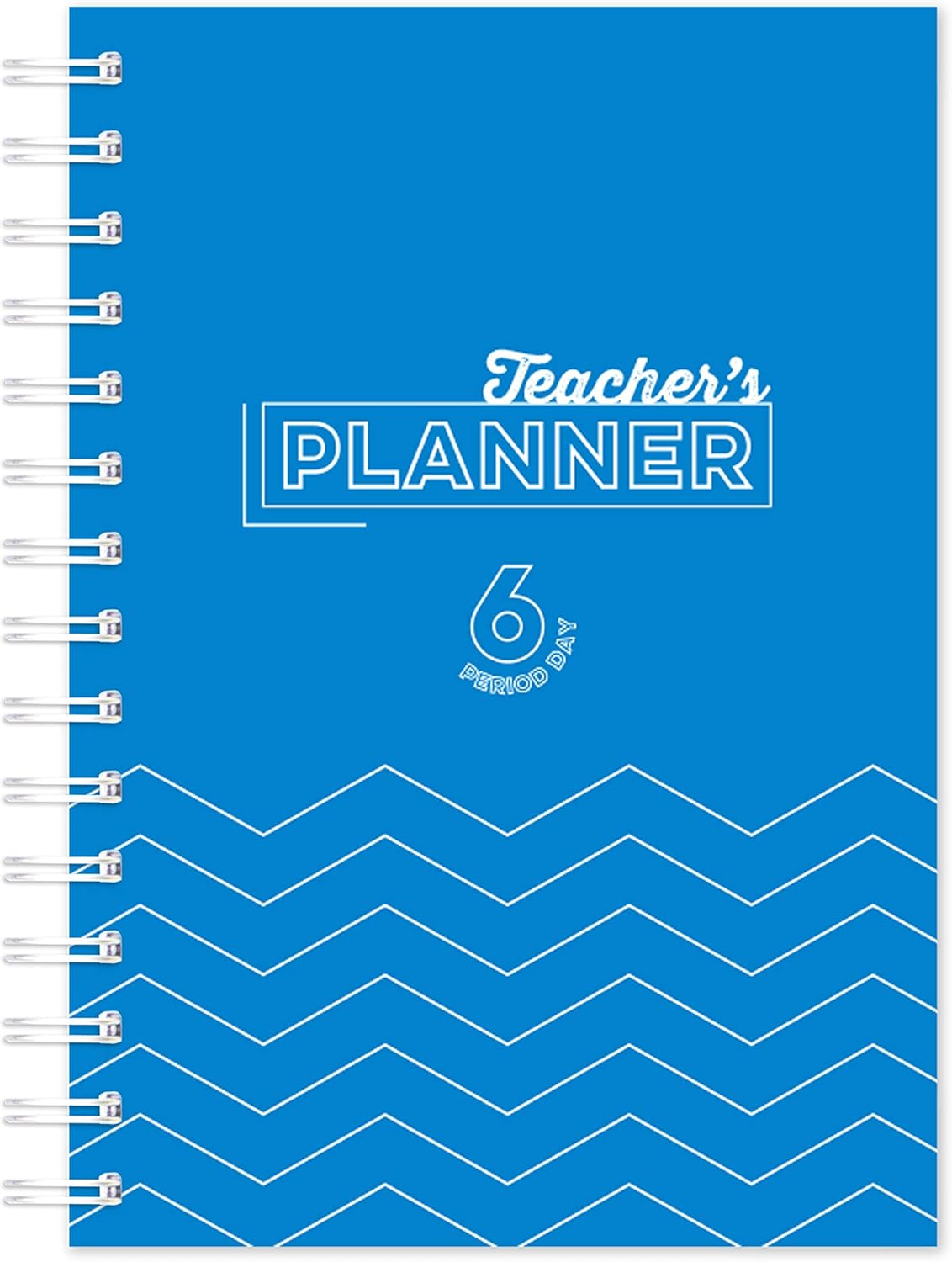
- Teacher-focused academic layout supports structured weekly lesson planning.
- Wirebound construction allows pages to remain open while writing.
- Dedicated planning space helps organize lessons across multiple classes.
- Physical academic format keeps teaching schedules visible without digital distractions.
- - Compact planner design travels easily between classrooms and staff meetings.
The wirebound format is simple, but it makes daily classroom use much easier
The Silvine Teachers Academic Planner is built specifically around school organization, using a wirebound format that can remain open on a desk while lessons and schedules are being planned. When comparing the best planner for teachers, that physical design matters because teachers often need to reference the planner while simultaneously working on a laptop, reading curriculum material or preparing worksheets.
A bound planner that constantly closes itself becomes irritating surprisingly quickly. Wire binding allows the pages to sit flatter, so the current schedule can remain visible without another book or coffee mug holding the planner open.
This is particularly useful during lesson preparation. A teacher can leave the relevant planning page open beside the computer while creating slides, worksheets or activities for the upcoming classes.
The academic focus is another advantage. A teacher-specific layout keeps school planning more structured, rather than forcing lesson information into a general diary originally designed around ordinary appointments.
That difference matters when several classes need to be tracked simultaneously. The teacher needs enough structure to remember not only what happens on Tuesday, but what each class should have completed before the next lesson begins.
A weekly lesson plan works better when preparation is written down too
One common planning mistake is recording only what students will do during the lesson. That ignores the preparation work required before the students enter the room.
If Thursday's class needs printed worksheets, a video clip and several pieces of equipment, those requirements should appear in the planner before Thursday. Otherwise the lesson plan exists, but the materials required to deliver it may not.
A practical approach is to write preparation reminders beside earlier planning periods. Lesson planning should include preparation as well as teaching, because the classroom activity is only the visible final part of the process.
The same applies to homework and assessment. A planner becomes more useful when the submission date and the marking period are both recorded rather than treating the deadline as the end of the task.
For example, thirty assignments submitted on Friday can create several hours of work afterward. Scheduling a marking block before the weekend becomes crowded gives the teacher a more realistic picture of the actual workload.
The physical paper format makes quick amendments easy. If Wednesday's class does not finish the planned topic, the teacher can immediately note what needs to carry forward rather than relying on memory until the next lesson.
That small habit prevents lesson sequences from drifting. Written progress notes help keep different classes aligned, particularly when several groups are studying similar material but progressing at slightly different speeds.
Color coding can help as well, but there is no need to make it complicated. One color for teaching, one for meetings and another for assessment deadlines is usually easier to maintain than a large system of symbols that takes time to interpret.
Why the Silvine takes our number five position
The Silvine earns its place because it is clearly intended for academic planning rather than generic personal organization. The teacher-focused structure and wirebound construction are practical features for everyday classroom use.
The ability to keep the planner open is particularly useful. A flat open planner works better during lesson preparation, because information remains visible while the teacher works with other materials on the same desk.
The physical format also creates a useful offline reference. A teacher can check the upcoming schedule during a meeting or classroom activity without opening another app or switching away from whatever is currently displayed on a computer.
The reason we place the Silvine at number five is that our higher ranked planners provide broader organizational features or more generous planning formats. The BRUNNEN at number one offers a two-page weekly overview in an oversize A5 format, giving teachers excellent visibility across the complete week.
The Emily Ley at number two provides much more detailed daily organization. That is useful for teachers who need space for classes, preparation, grading, meetings and personal tasks within each individual day.
Our third and fourth ranked planners expand beyond scheduling with features such as checklists and budgeting worksheets. Those sections are useful for teachers who also want to track classroom expenses and administrative responsibilities in the same organizer.
The Silvine is more traditional. It focuses on academic and lesson organization rather than trying to become a complete personal productivity or financial planning system.
That simplicity can actually be useful for teachers who already manage email, finances and school administration digitally. They may only need the physical planner to keep lesson sequences and the teaching week organized.
Wire binding can also be less protective than a fully enclosed book when the planner is repeatedly pushed into a crowded bag. Teachers carrying it between school and home should avoid crushing the binding under heavy books or a laptop.
That is why we believe the Silvine Teachers Academic Wirebound Lesson Planner deserves the number five position in our Best Planner For Teachers ranking. It falls behind our higher ranked choices in broader organization and detailed planning features, but its teacher-focused academic structure, practical wirebound construction, easy-open pages and straightforward lesson planning format make it a positive choice for educators who want a simple physical planner dedicated primarily to organizing classes and the school week.
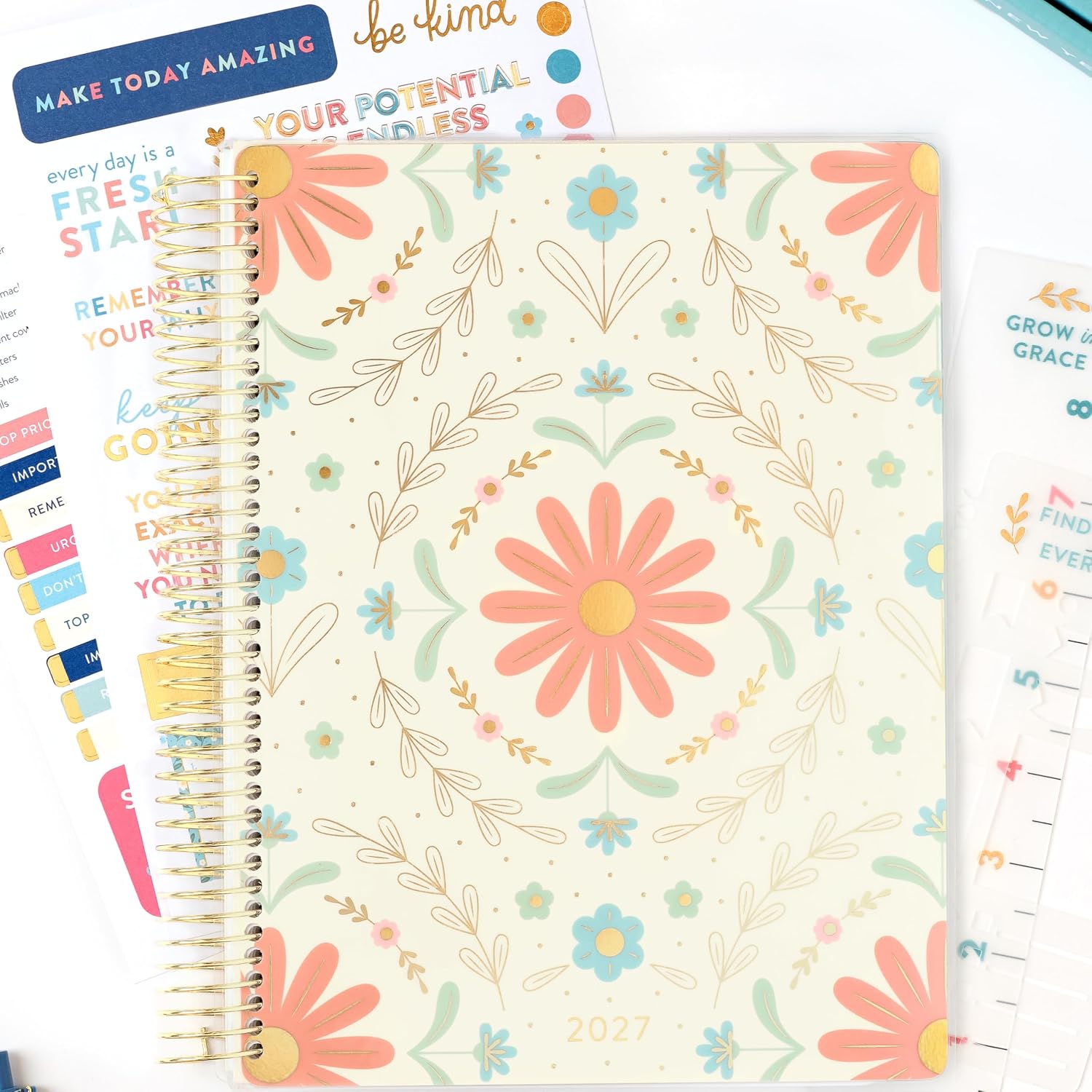
- 12-month calendar provides useful long-range academic year organization.
- Built-in checklists help teachers manage recurring classroom responsibilities.
- Budgeting worksheets provide dedicated space for tracking school expenses.
- Structured sections separate important dates from everyday teacher tasks.
- - Multi-purpose planning format combines scheduling and classroom budget management.
The checklists are useful when your calendar cannot hold every small school task
This 12-month planner combines calendar pages with checklists and budgeting worksheets, giving teachers separate areas for dates, actionable tasks and basic expense tracking. When comparing the best planner for teachers, that division can be useful because a teaching schedule only shows part of the workload.
A teacher might have five classes listed on Tuesday, but that does not show the worksheets that need printing, emails waiting for replies or assignments that need marking. Those smaller responsibilities can easily disappear when everything is squeezed into one calendar box.
The checklist sections provide somewhere else to put them. A fixed event stays on the calendar while the preparation required for that event becomes a set of tasks that can actually be checked off.
That distinction makes the planner easier to scan. Separate task lists keep calendar pages more readable, especially during weeks filled with meetings, assessment deadlines and school activities.
It also makes incomplete work obvious. If three preparation tasks remain unchecked at the end of Wednesday, the teacher knows immediately what needs attention before Thursday begins.
The budgeting worksheets can stop small classroom purchases from disappearing
Classroom expenses do not always arrive as one large purchase. Teachers may buy folders one week, art materials later, replacement stationery the following month and project supplies when a particular unit begins.
Individually, those amounts can seem minor. Across a full school year, though, tracking what has been spent becomes much harder if purchases are scattered across receipts, email confirmations and card statements.
The budgeting worksheets give those expenses a dedicated place. Recording classroom purchases makes spending easier to monitor, particularly when the teacher is working within a fixed allowance or expects reimbursement for certain materials.
Budget planning is useful before a project as well. If a classroom activity requires paper, markers, display materials and other supplies, estimated costs can be written down before anything is ordered.
That provides a chance to change the plan if the total becomes unreasonable. It is much easier to reduce quantities or substitute materials before the purchase than after the budget has already been exceeded.
The 12-month calendar supports this by showing when larger classroom projects are approaching. Expenses can be anticipated several weeks ahead rather than appearing unexpectedly during an already expensive month.
A teacher could also use the checklists to track ordering and preparation. Planning the work around an event prevents last-minute preparation, because buying supplies, printing materials and organizing equipment can each receive their own task.
The main mistake to avoid is overcomplicating the system. If every page uses different colors, symbols and rules, maintaining the planner becomes another administrative job rather than reducing one.
Why this 12-month planner takes our number six position
This planner earns its place because it handles several practical teacher responsibilities inside one physical organizer. The calendar covers long-range dates, checklists capture smaller tasks and the budgeting worksheets provide a place for classroom spending.
That makes it more versatile than a plain appointment diary. Several school responsibilities stay together in one planner, which can reduce the number of separate notebooks and loose lists sitting around the teacher's workspace.
The physical format also works without relying on another screen. During a staff meeting, a teacher can check a date or add a task while the laptop remains open to whatever document or presentation is already being discussed.
The reason we place this model at number six is that the five planners above it provide stronger formats for specific teacher needs. Our number one BRUNNEN offers a two-page weekly view in an oversize A5 format, which makes the complete teaching week particularly easy to see.
The Emily Ley planner at number two provides more detailed daily space. That makes it better suited to teachers who need to schedule classes, grading, meetings and preparation within individual days.
Our third and fourth choices use a similar multi-purpose approach with calendars, checklists and budgeting sections. They rank higher because we consider their overall organization a slightly stronger fit within this particular teacher planner lineup.
The Silvine at number five is more traditional but also more directly academic. Its wirebound teacher-focused layout is useful for educators whose main requirement is straightforward lesson and timetable organization rather than financial tracking.
This number six planner therefore makes the most sense for someone who values broad organization. It is less specialized as a lesson planner but more useful when classroom tasks and expenses need to remain visible alongside important dates.
Teachers should also remember that a paper planner does not synchronize automatically with school systems. If a meeting changes in a digital calendar, the physical planner needs to be corrected manually so two conflicting schedules do not develop.
That is why we believe the ClassTrack 12-Month Teacher Planner with Checklists deserves the number six position in our Best Planner For Teachers ranking. It falls behind our higher ranked choices in dedicated lesson planning and detailed scheduling space, but its 12-month calendar, practical checklists, budgeting worksheets and multi-purpose organization make it a positive option for teachers who want school deadlines, everyday responsibilities and classroom spending tracked together in one physical planner.

- Two-page weekly layout keeps several teaching days visible together.
- Oversize A5 format provides comfortable space for handwritten lesson notes.
- Teacher-focused organization supports classes, meetings, and academic deadlines.
- Physical planner keeps weekly schedules accessible without opening digital apps.
- - Portable format works well between classrooms, meetings, and home planning.
The weekly spread is still the strongest reason to choose this planner
The BRUNNEN Teacher’s Planner uses a two-page weekly format in an oversize A5 size, giving teachers a straightforward physical place to organize lessons and school commitments. When comparing the best planner for teachers, that weekly view is useful because educators often need to understand how several days connect rather than treating each lesson as an isolated appointment.
A teacher may have the same class on Monday, Wednesday and Friday. Seeing those days together makes it easier to plan how far Monday's lesson should progress before the next session begins.
This matters when a class moves slower than expected. If Monday's activity is not completed, the teacher can immediately see Wednesday's planned work and adjust the sequence before the schedule becomes unrealistic.
The oversize A5 format gives those notes more room. Extra writing space makes weekly planning easier to read, especially when lesson topics, meetings and reminders need to share the same general planning area.
The size also remains manageable enough for regular transport. Teachers moving between classrooms, staff meetings and home can carry the planner without dealing with a full desktop-sized organizer.
A useful teacher planner needs to show the work around the lesson too
Writing the lesson title into a planner is only part of planning. Teachers also need to remember printing, equipment, assessment preparation and other tasks that must happen before the lesson can actually run.
Suppose Thursday's class requires a worksheet and a practical demonstration. The useful planning move is to record the preparation earlier in the week rather than discovering on Thursday morning that the materials are not ready.
This is where the weekly layout helps. Preparation tasks can sit beside the teaching schedule, making it easier to connect what needs doing with the date when the materials will actually be required.
Assessment work should be handled the same way. A submission deadline is not the end of the workload because the teacher still needs time afterward to mark the work and prepare feedback.
If twenty or thirty assignments arrive on Friday, the planner should include realistic marking time afterward. Otherwise the weekly plan understates the amount of work that has actually been committed.
A physical planner is also good for quick changes. A teacher can cross out an activity, move it forward or add a short note immediately when a class finishes at a different point than expected.
Those progress notes become particularly important when several classes are studying similar content. Written lesson updates help prevent classes getting mixed up, especially after a busy week where one group has moved further ahead than another.
It helps to keep notes short and consistent. The planner should provide enough information to understand the next action without becoming a complete written lesson plan inside every calendar space.
Why this BRUNNEN takes our number seven position
This BRUNNEN earns its place because the two-page weekly structure remains highly relevant to teachers. Seeing the complete week together supports lesson sequencing, workload planning and quick schedule adjustments.
The oversize A5 format is another positive. It balances writing room with everyday portability, which matters when the planner needs to travel between school and home rather than staying permanently on one desk.
The paper format also keeps planning available without another screen. During a meeting, the teacher can open the relevant week, check availability and write a reminder while a laptop remains dedicated to whatever document is being discussed.
The reason this particular BRUNNEN takes number seven is the competition within our list. Our number one choice uses a very similar BRUNNEN teacher-focused approach, so this product does not add enough distinctive functionality to move above the stronger alternatives in the ranking.
The Emily Ley planner at number two provides more detailed daily planning space. That can be better for educators whose workload includes substantial administration, grading and meetings in addition to classroom teaching.
Several of our middle-ranked planners add checklists and budgeting worksheets. Those features extend their usefulness into classroom expense tracking and task management rather than concentrating almost entirely on the academic schedule.
The Silvine also provides a straightforward teacher-focused format with practical wire binding. That design can be useful when the planner needs to remain open beside a laptop during lesson preparation.
This BRUNNEN is therefore more traditional. It works best for teachers who mainly want a clean weekly academic organizer and do not need financial worksheets or a complicated productivity system built into the same book.
One important consideration with dated academic planners is always the usable calendar period. Buyers should verify the exact edition and dates on the listing before ordering, especially when older and newer versions of a teacher planner can remain available at the same time.
That is why we believe the BRUNNEN Teacher’s Weekly Oversize A5 Academic Planner deserves the number seven position in our Best Planner For Teachers ranking. It falls behind our higher ranked choices in additional organization features and detailed daily planning, but its practical two-page weekly layout, comfortable oversize A5 format, teacher-focused structure and easy paper-based scheduling make it a positive final option for educators who want a straightforward way to keep lessons, meetings and academic responsibilities visible across the school week.