
7 Best Wireless Mouse for Work

6 Best Wireless Mouse for Work Article updated:

Quick Buying Guide

List the computers and operating systems the mouse must support.
Compare hand fit, button reach, scrolling, receiver or Bluetooth needs, and power method.
Verify the exact model’s dimensions, compatibility, included receiver or cable, warranty, and return terms before ordering.

1
PRO X Superlight Work Mouse Ultra Lightweight
Brand: Logitech G
Features / Highlights
  • Ultra lightweight design reduces wrist fatigue during extended use
  • HERO 25K sensor delivers exceptional precision and tracking accuracy
  • LIGHTSPEED wireless technology provides fast, reliable connectivity
  • Long battery life supports uninterrupted professional productivity
  • Five programmable buttons customize frequently used workflows
Our Score
9.61
CHECK PRICE

This mouse disappears in your hand, and that is exactly why it works so well

The Logitech G PRO X Superlight is widely known as a competitive gaming mouse, but many of the features that make it successful in esports also translate exceptionally well into demanding professional work. Its lightweight design, highly accurate sensor, and dependable wireless connection create a mouse that remains comfortable through long workdays.

Finding the Best Wireless Mouse for Work is about much more than adding Bluetooth connectivity. Comfort, tracking accuracy, battery life, responsiveness, and long-term reliability all influence how productive a mouse feels after using it every day for months.

Weighing only around 63 grams, the PRO X Superlight significantly reduces the amount of effort required to move the mouse across the desk. Professionals who spend hours navigating spreadsheets, editing documents, or working inside creative software often notice less wrist fatigue compared with heavier office mice.

A video editor making thousands of small timeline adjustments each week, for example, benefits from a lightweight mouse that responds instantly without requiring constant physical effort.

The ultra lightweight design improves long term working comfort, especially during extended professional workloads.

The performance features help far beyond gaming

Logitech's HERO sensor delivers highly accurate tracking while maintaining excellent wireless efficiency. Precision becomes valuable for graphic design, CAD work, spreadsheet navigation, programming, and any task involving detailed cursor control.

LIGHTSPEED wireless technology also provides an extremely responsive connection that feels virtually indistinguishable from a wired mouse. Reliable wireless performance reduces cable clutter without sacrificing accuracy.

The professional grade sensor delivers exceptional cursor precision. Small movements remain predictable, making detailed editing and navigation much easier.

The rechargeable battery lasts through extended working periods before requiring another charge. That consistency allows professionals to focus on projects instead of constantly monitoring battery levels.

The symmetrical shape also accommodates a wide range of grip styles, making it comfortable for many different users. Its understated appearance fits naturally into professional workspaces despite its gaming heritage.

The programmable buttons can also streamline repetitive office tasks. Assigning shortcuts for copy, paste, browser navigation, design tools, or productivity software can noticeably improve workflow efficiency.

Using an appropriate mouse pad also helps maximize tracking consistency while reducing friction during continuous daily use.

Taking occasional breaks and maintaining a relaxed grip further helps reduce wrist fatigue during extended computer sessions.

First place reflects exceptional performance with one practical compromise

We ranked the Logitech G PRO X Superlight first because it delivers outstanding comfort, precision, and wireless performance while remaining one of the lightest premium mice available. Its professional performance easily extends beyond gaming into demanding office environments.

The lightweight construction supports exceptional daily productivity. Software developers, designers, engineers, analysts, editors, architects, and office professionals can all appreciate its effortless movement and precise control.

The reason it sits just behind our number one recommendation comes down to workplace specialization. The newer PRO X2 SUPERSTRIKE introduces magnetic analog switches, adjustable click haptics, USB-C charging, higher polling capabilities, and additional customization features that provide even greater flexibility for users seeking the most advanced wireless mouse currently available.

For many professionals, however, those differences may have only a small impact during normal office work. The PRO X Superlight already delivers an exceptionally refined experience that remains among the best in its category.

The mouse performs equally well for spreadsheets, coding, creative applications, presentations, document editing, financial analysis, and general office productivity. Its lightweight design often becomes more appreciated the longer it is used.

Developing good ergonomic habits also contributes to comfort. Proper desk height, relaxed wrist positioning, and regular movement breaks help maximize the benefits of any premium mouse.

The combination of excellent build quality, reliable wireless technology, and outstanding precision has helped make this model one of Logitech's most respected professional-grade mice.

Overall, the Logitech G PRO X Superlight earns an outstanding first-place ranking because it provides exceptional precision together with effortless all day comfort. For professionals searching for the Best Wireless Mouse for Work, it remains one of the finest high-performance wireless mice available.

2
Mobile Mouse 4000 Wireless Work Mouse BlueTrack
Brand: Microsoft
Features / Highlights
  • BlueTrack Technology tracks on many everyday surfaces
  • Compact portable design fits easily into laptop bags
  • Nano transceiver stores securely inside the mouse
  • Comfortable ambidextrous shape suits everyday office use
  • Long battery life minimizes interruptions during work
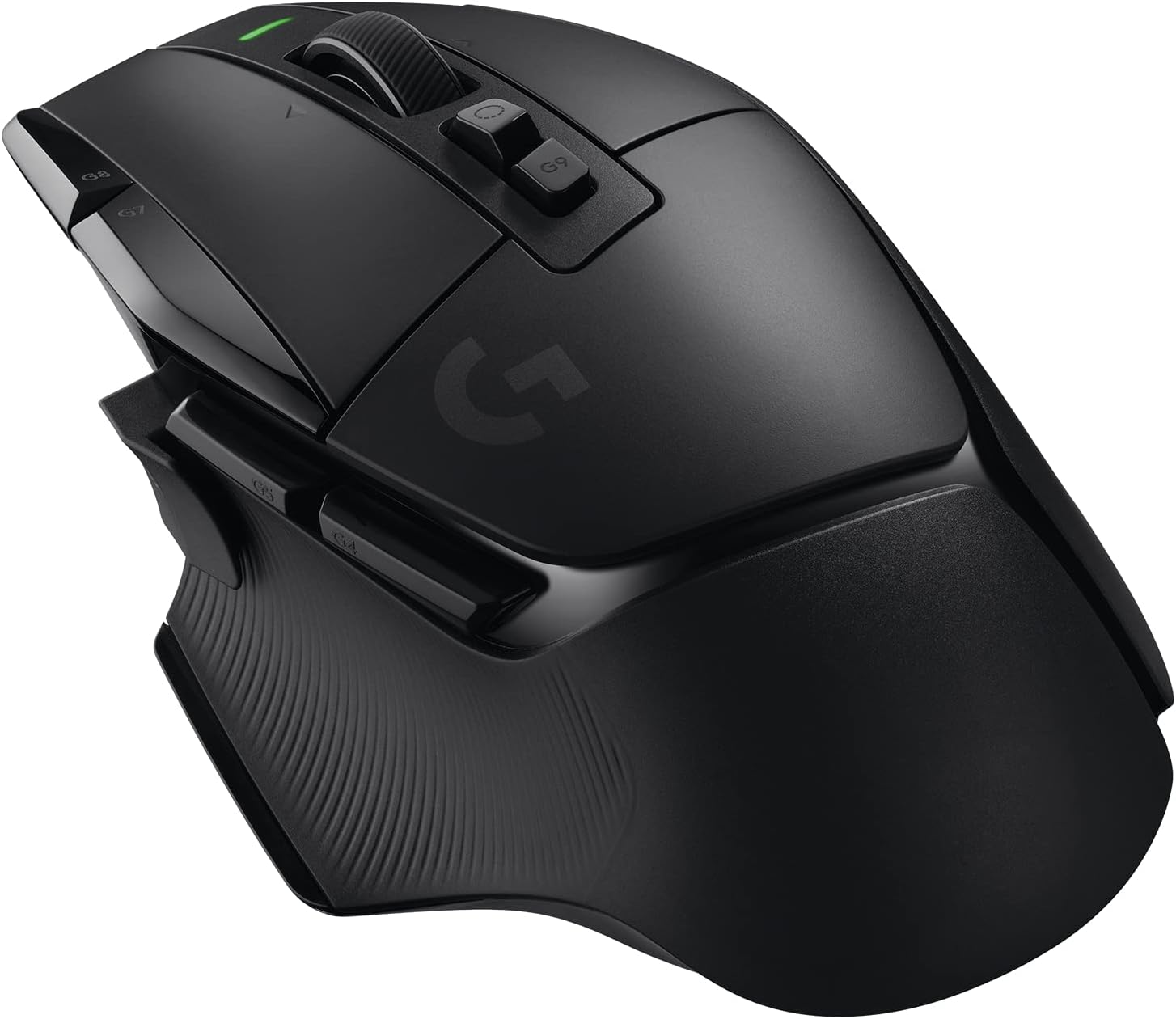
Our Score
9.29
CHECK PRICE

This mouse has stayed relevant because it simply gets the job done

The Microsoft Wireless Mobile Mouse 4000 has remained a dependable choice for professionals for many years because it focuses on reliability instead of unnecessary complexity. Its compact design, dependable wireless performance, and BlueTrack sensor make it particularly useful for people who frequently work in different locations.

Finding the Best Wireless Mouse for Work is not always about selecting the newest premium model. Many professionals simply need a mouse that tracks consistently, travels easily, and performs reliably throughout everyday office tasks.

The compact design fits comfortably inside laptop bags, backpacks, and travel cases without occupying unnecessary space. Mobile professionals often appreciate equipment that remains easy to carry while still feeling comfortable during long work sessions.

A sales representative traveling between client meetings, for example, may work from hotel rooms, conference tables, airports, and temporary office spaces throughout the week. Portable equipment quickly becomes an important productivity advantage.

The compact wireless design supports mobile productivity everywhere, making it ideal for professionals who frequently work away from a permanent desk.

The tracking technology performs well across many work environments

Microsoft's BlueTrack Technology helps the mouse operate on a wider variety of everyday surfaces than traditional optical mice. Working from conference tables, wooden desks, coffee shops, or shared office environments often becomes easier without needing a dedicated mouse pad.

The tiny nano transceiver also stores securely inside the mouse during transportation. This simple feature reduces the chance of losing the USB receiver while traveling between work locations.

The BlueTrack sensor improves flexible everyday usability. Professionals moving between different workspaces often appreciate dependable tracking without constantly searching for suitable surfaces.

The ambidextrous shape provides comfortable handling for a broad range of users. Whether navigating spreadsheets, reviewing presentations, answering emails, or preparing reports, the mouse remains easy to control throughout normal office work.

Long battery life also helps minimize interruptions during busy schedules. Many professionals prefer hardware that requires very little maintenance between battery replacements.

The mouse performs well for document editing, spreadsheets, presentations, project management, accounting software, customer support, and general office productivity. Its straightforward design emphasizes reliability over advanced customization.

Using the included receiver with a dedicated laptop USB port also helps maintain a stable wireless connection throughout the workday.

Keeping a relaxed grip while working further improves long-term comfort during extended computer sessions.

Second place reflects dependable reliability with fewer modern features

We ranked the Microsoft Wireless Mobile Mouse 4000 second because it delivers consistent everyday performance while remaining one of the most reliable portable office mice available. It succeeds by focusing on the practical needs of mobile professionals rather than advanced technical specifications.

The dependable design supports everyday professional productivity. Business travelers, office staff, consultants, teachers, students, and remote workers can all appreciate its portability and reliable wireless operation.

The reason it ranks behind our top two recommendations comes primarily from technology advancements. The Logitech PRO X2 SUPERSTRIKE and PRO X Superlight provide dramatically lighter construction, higher-performance sensors, rechargeable batteries, lower wireless latency, and greater customization that better support modern professional and creative workflows.

That does not reduce the value of the Microsoft mouse for everyday office use. Many professionals simply need dependable wireless performance, long battery life, and comfortable portability without requiring premium gaming technology.

The mouse remains especially useful for mobile work, travel, presentations, administrative tasks, document editing, and routine office productivity. Its compact size continues to be one of its strongest advantages.

Maintaining good ergonomic habits also improves comfort. Proper desk height, relaxed wrist positioning, and occasional movement breaks help reduce fatigue regardless of which mouse is being used.

The combination of reliable tracking, practical portability, and long-standing Microsoft dependability continues to make this mouse relevant even after many years on the market.

Overall, the Microsoft Wireless Mobile Mouse 4000 earns an excellent second-place ranking because it provides reliable wireless performance together with outstanding portability. For professionals searching for the Best Wireless Mouse for Work, it remains one of the most dependable travel-friendly office mice available.

3
G303 Shroud Wireless Work Mouse HERO Sensor
Brand: Logitech G
Features / Highlights
  • HERO 25K sensor delivers highly accurate cursor tracking
  • LIGHTSPEED wireless technology provides dependable low-latency performance
  • Lightweight ergonomic design reduces fatigue during long sessions
  • Long battery life supports uninterrupted professional productivity
  • Programmable controls customize repetitive workflow shortcuts
Our Score
9.00
CHECK PRICE

This mouse responds instantly without demanding attention from the user

The Logitech G303 Shroud Edition is marketed primarily toward competitive gamers, but many of its core strengths also benefit professionals who rely on precise cursor control throughout the workday. Its lightweight construction, HERO sensor, and dependable wireless connection create a mouse that performs exceptionally well across demanding office tasks.

Finding the Best Wireless Mouse for Work often involves balancing comfort, responsiveness, battery life, and long-term reliability. A mouse that feels effortless to control after several hours frequently becomes more valuable than one that simply offers additional buttons or decorative features.

The lightweight construction allows the mouse to move with very little physical effort across the desk. Professionals working inside spreadsheets, design software, engineering applications, or editing tools often appreciate how easily the mouse responds to small hand movements.

An architect reviewing building plans throughout the day, for example, benefits from highly accurate cursor movement while navigating detailed drawings and measurements. Precision often contributes directly to both speed and accuracy.

The lightweight design supports effortless everyday precision, reducing fatigue during long working sessions.

The performance features extend well beyond gaming

Logitech's HERO 25K sensor provides extremely accurate tracking across a wide range of movement speeds. While originally developed for competitive gaming, that same precision becomes valuable for graphic design, CAD work, spreadsheets, programming, and detailed office applications.

LIGHTSPEED wireless technology also delivers dependable wireless performance with extremely low latency. Professionals benefit from a clean wireless workspace without sacrificing cursor responsiveness.

The HERO sensor delivers exceptional tracking accuracy. Small cursor movements remain predictable even during detailed editing or technical work.

The long battery life also minimizes interruptions throughout busy work schedules. Professionals often prefer hardware that remains dependable for extended periods without requiring constant charging.

The programmable controls provide opportunities to create workflow shortcuts for frequently used software commands. Assigning repetitive actions to mouse buttons can improve productivity during editing, programming, browsing, or business applications.

The compact symmetrical shape accommodates a variety of grip styles while maintaining excellent overall control. Many users appreciate how naturally the mouse feels during prolonged daily use.

Using a quality mouse pad also improves tracking consistency while allowing smoother cursor movement across long work sessions.

Maintaining a relaxed grip further reduces wrist fatigue during extended office work regardless of mouse design.

Third place reflects outstanding performance with a specialized shape

We ranked the Logitech G303 Shroud Edition third because it delivers exceptional wireless performance while remaining optimized around a more specialized ergonomic shape. Its precision, responsiveness, and lightweight construction make it a powerful productivity tool for many professionals.

The responsive wireless performance supports demanding professional workflows. Designers, engineers, programmers, analysts, editors, architects, and technical professionals can all appreciate its outstanding precision.

The reason it ranks below the higher-positioned mice comes primarily from overall workplace versatility. The Logitech PRO X2 SUPERSTRIKE, PRO X Superlight, and Microsoft Mobile Mouse 4000 each provide broader appeal across different hand sizes, portability needs, or office-specific workflows. The G303's distinctive shape tends to suit some grip styles exceptionally well while feeling less natural for others.

That difference does not reduce its impressive technical capabilities. Users who enjoy the shape often find it to be one of the most precise wireless mice available.

The mouse performs exceptionally well for spreadsheets, coding, design work, presentations, financial analysis, document editing, and creative applications. Its responsiveness remains consistent throughout demanding workloads.

Good ergonomic habits further improve long-term comfort. Proper desk height, wrist positioning, and regular movement breaks remain important regardless of which mouse is being used.

The combination of Logitech's proven wireless technology, excellent sensor performance, and lightweight construction continues to make this model highly respected among professionals seeking precision.

Overall, the Logitech G303 Shroud Edition earns a strong third-place ranking because it provides exceptional precision together with dependable wireless performance. For professionals searching for the Best Wireless Mouse for Work, it remains an outstanding option for users who prefer its unique ergonomic design.

4
MX Master 4 Wireless Work Mouse Haptic Scrolling
Brand: Logitech
Features / Highlights
  • Advanced ergonomic shape supports comfortable all-day productivity
  • MagSpeed ultra-fast scrolling navigates long documents effortlessly
  • USB-C rechargeable battery minimizes workflow interruptions
  • Bluetooth and USB receiver support flexible multi-device connectivity
  • Customizable buttons and haptic controls streamline repetitive tasks
Our Score
8.85
CHECK PRICE

This mouse feels designed for people who spend the entire day working

The Logitech MX Master 4 is built specifically for professionals who spend long hours navigating spreadsheets, editing documents, managing creative projects, and switching between multiple applications. Its ergonomic design, customizable controls, advanced scrolling, and reliable wireless performance create a mouse that prioritizes productivity from the moment it is placed on the desk.

Finding the Best Wireless Mouse for Work means looking beyond simple wireless connectivity. Comfort, precision, customization, battery life, and workflow efficiency all contribute to how productive a mouse feels after months of everyday use.

The sculpted ergonomic shape naturally supports the hand while reducing unnecessary wrist strain during extended work sessions. Professionals who spend eight or more hours at a computer often notice the comfort difference compared with smaller symmetrical mice.

An accountant reviewing financial reports throughout the day, for example, may scroll through hundreds of spreadsheet rows while switching between several business applications. Comfortable ergonomics become increasingly valuable as workloads grow.

The ergonomic design supports comfortable all day productivity, helping reduce fatigue during demanding office schedules.

The workflow features save time every single day

One of the strongest features is Logitech's MagSpeed scroll wheel, which allows users to move rapidly through lengthy documents while still offering precise line-by-line control when needed. Long reports, contracts, programming files, and research papers become much faster to navigate.

The customizable buttons and haptic controls also allow frequently used commands to be assigned directly to the mouse. Repetitive tasks inside creative software, spreadsheets, browsers, and productivity applications can often be completed with fewer clicks.

The customizable controls improve repetitive daily workflows. Small time savings repeated hundreds of times each day often translate into noticeably greater productivity.

USB-C charging and long battery life reduce interruptions during busy work schedules. Multi-device connectivity also allows professionals to switch easily between desktops, laptops, and tablets depending on the day's workload.

The precise sensor tracks smoothly across a variety of surfaces, allowing consistent cursor movement for spreadsheets, presentations, graphic design, programming, and business applications. Reliable tracking contributes to a more natural working experience.

The premium construction also gives the mouse a solid, refined feel that suits professional environments. It looks equally appropriate in executive offices, home workspaces, and creative studios.

Customizing button assignments for frequently used software further increases productivity by reducing repetitive keyboard shortcuts throughout the workday.

Maintaining a relaxed wrist position and taking short movement breaks also help maximize long-term comfort regardless of mouse design.

Fourth place reflects excellent ergonomics with stronger specialized competitors above it

We ranked the Logitech MX Master 4 fourth because it delivers one of the most comfortable productivity experiences available while competing against several exceptionally specialized performance-focused mice. Its ergonomic shape and productivity features remain among the best for traditional office work.

The premium productivity features support demanding professional workloads. Business owners, programmers, accountants, designers, analysts, writers, and project managers can all benefit from its advanced workflow capabilities.

The reason it ranks below the higher-positioned models comes down to the specific focus of this comparison. The Logitech PRO X2 SUPERSTRIKE, PRO X Superlight, Microsoft Mobile Mouse 4000, and G303 Shroud Edition place greater emphasis on lightweight movement, maximum cursor precision, or portability that better suits users prioritizing speed and responsiveness across a wider variety of work styles.

For professionals whose priorities center on ergonomics, scrolling efficiency, and customizable workflows, however, the MX Master 4 remains exceptionally compelling. Few productivity mice combine this level of comfort with such extensive customization.

The mouse performs exceptionally well for spreadsheets, document editing, coding, research, presentations, creative software, project management, and everyday office productivity. Its workflow-oriented feature set becomes more valuable the longer it is used.

Creating an ergonomic workstation also depends on proper desk height, chair positioning, and healthy work habits. Good posture and regular movement significantly improve long-term comfort alongside high-quality input devices.

The combination of thoughtful ergonomics, advanced scrolling, and extensive customization continues to make the MX Master series one of the most respected productivity mouse families available.

Overall, the Logitech MX Master 4 earns a strong fourth-place ranking because it provides exceptional comfort together with highly efficient professional workflows. For professionals searching for the Best Wireless Mouse for Work, it remains one of the finest ergonomic productivity mice available today.

5
Mobile Mouse 3500 Wireless Work Mouse BlueTrack
Brand: Microsoft
Features / Highlights
  • BlueTrack Technology tracks across many everyday surfaces
  • Compact portable design fits easily into laptop bags
  • Nano transceiver stores securely inside the mouse
  • Comfortable ambidextrous shape supports daily office use
  • Long battery life reduces interruptions during productivity
Our Score
8.47
CHECK PRICE

This mouse keeps everyday work simple without sacrificing reliability

The Microsoft Wireless Mobile Mouse 3500 was created for professionals who need dependable wireless performance while working from offices, meeting rooms, coffee shops, and remote locations. Its compact size, reliable BlueTrack sensor, and portable design continue to make it a practical choice for everyday business productivity.

Finding the Best Wireless Mouse for Work often means prioritizing consistency over advanced features. A mouse that connects reliably, tracks accurately, and travels easily frequently becomes more valuable than one filled with features that may never be used during normal office work.

The compact design slips easily into laptop sleeves, backpacks, and travel bags without occupying unnecessary space. Professionals who regularly move between work locations often appreciate equipment that remains lightweight while still feeling comfortable during use.

A consultant visiting multiple client offices throughout the week, for example, benefits from carrying a dependable mouse that fits easily alongside a laptop without adding noticeable weight to travel equipment.

The compact portable design supports flexible work environments, making it especially useful for professionals working on the move.

The practical features remain useful every single day

Microsoft's BlueTrack Technology allows the mouse to track on a wide variety of everyday surfaces where many traditional optical mice struggle. Conference tables, wooden desks, café counters, and temporary workstations often become much easier to use without searching for a mouse pad.

The nano transceiver also stores safely inside the mouse during transportation. This simple feature helps reduce the chance of misplacing the receiver while traveling between different work locations.

The BlueTrack sensor improves dependable everyday tracking. Professionals frequently working outside traditional office environments benefit from greater flexibility when choosing workspaces.

The comfortable ambidextrous shape accommodates both left-handed and right-handed users while remaining easy to control throughout normal office tasks. Email, spreadsheets, presentations, document editing, and web browsing all feel natural during extended work sessions.

The long battery life also minimizes interruptions by reducing how often batteries need replacement. Reliable operation becomes especially valuable during busy schedules where equipment failures can delay important work.

The mouse performs well for presentations, administrative work, customer service, accounting software, document editing, web browsing, and general office productivity. Its feature set focuses on practical reliability instead of unnecessary complexity.

Using the nano receiver in the same USB port consistently also helps maintain dependable wireless performance across different work environments.

Maintaining relaxed wrist positioning throughout the workday further improves long-term comfort regardless of which mouse is being used.

Fifth place reflects dependable portability with fewer modern productivity features

We ranked the Microsoft Wireless Mobile Mouse 3500 fifth because it remains a reliable portable office mouse while competing against several newer premium productivity models. It succeeds by delivering dependable wireless performance through a straightforward and travel-friendly design.

The reliable portability supports mobile professional workflows. Students, consultants, teachers, business travelers, administrative professionals, and remote employees can all appreciate its compact design and dependable operation.

The reason it ranks below the higher-positioned mice comes primarily from evolving technology. The Logitech models offer rechargeable batteries, lighter construction, higher precision sensors, advanced customization, and additional productivity features that better support demanding modern workflows. The Microsoft Mobile Mouse 4000 also offers slightly enhanced tracking capabilities through a more refined overall package.

That does not reduce the usefulness of the Mouse 3500 for everyday office work. Many professionals simply require dependable wireless connectivity, long battery life, and easy portability above all else.

The mouse remains especially practical for travel, office productivity, presentations, educational work, document editing, and routine administrative tasks. Its compact dimensions continue to be one of its strongest advantages.

Creating a comfortable workstation also depends on proper ergonomics. Good seating posture, appropriate desk height, and regular movement breaks contribute significantly to long-term comfort alongside quality computer accessories.

The combination of dependable Microsoft reliability, BlueTrack tracking, and travel-friendly portability continues to make this mouse a practical everyday companion.

Overall, the Microsoft Wireless Mobile Mouse 3500 earns a respectable fifth-place ranking because it provides dependable wireless performance together with excellent portability. For professionals searching for the Best Wireless Mouse for Work, it remains a practical option for reliable productivity in both office and mobile work environments.

6
Epic Wireless Work Mouse Multi-Device
Brand: JLab
Features / Highlights
  • Multi-device Bluetooth connectivity supports seamless device switching
  • Adjustable DPI settings improve cursor control and precision
  • Rechargeable battery eliminates frequent battery replacements
  • Ergonomic shape provides comfortable everyday office use
  • USB wireless and Bluetooth connection options increase flexibility
Our Score
8.01
CHECK PRICE

This mouse makes switching between work devices surprisingly effortless

The JLab Epic Wireless Mouse is designed for professionals who regularly work across multiple computers, laptops, and tablets throughout the day. Its combination of Bluetooth connectivity, adjustable DPI settings, rechargeable battery, and ergonomic design creates a practical productivity tool for modern hybrid work environments.

Finding the Best Wireless Mouse for Work often means thinking beyond cursor movement alone. Device compatibility, battery management, comfort, and workflow flexibility all become increasingly important as more professionals divide their time between multiple systems.

The Epic Wireless Mouse supports multiple connection methods, allowing users to move between different devices without constantly reconnecting accessories. Professionals working with office desktops, personal laptops, and tablets often benefit from this additional flexibility.

A project manager coordinating work across a company laptop and personal desktop, for example, can switch devices much more efficiently without replacing hardware or reconnecting cables.

The multi device connectivity simplifies modern professional workflows, making hybrid work considerably more convenient.

The practical features support everyday office productivity

Adjustable DPI settings allow users to customize cursor sensitivity according to different applications and personal preferences. Precision cursor movement becomes useful for spreadsheets, document editing, presentations, graphic work, and everyday office navigation.

The rechargeable battery also removes the need for frequent disposable battery replacements. Keeping the mouse charged through USB provides a convenient solution for professionals who rely on their equipment every day.

The rechargeable battery supports uninterrupted daily productivity. Professionals can focus more on work instead of keeping replacement batteries available.

The ergonomic shape provides comfortable handling throughout normal office sessions. Whether navigating spreadsheets, writing reports, browsing research materials, or participating in online meetings, the mouse remains comfortable during extended use.

Both Bluetooth and USB wireless connectivity provide additional flexibility depending on the computer being used. Older desktop systems and newer laptops can often be accommodated without requiring separate accessories.

The mouse performs well for document editing, project management, customer support, accounting software, web browsing, online meetings, and general office productivity. Its flexible connectivity remains one of its strongest advantages.

Selecting an appropriate DPI setting for individual applications can improve both precision and overall cursor control during different types of work.

Maintaining a relaxed wrist position while using the mouse also contributes to greater long-term comfort throughout busy workdays.

Sixth place reflects practical versatility in a competitive field

We ranked the JLab Epic Wireless Mouse sixth because it offers excellent flexibility while competing against several highly specialized premium productivity mice. Its combination of rechargeable convenience and multi-device support makes it particularly appealing for hybrid work environments.

The flexible connectivity supports modern workplace mobility. Remote employees, consultants, students, business travelers, office professionals, and hybrid workers can all benefit from its adaptable feature set.

The reason it ranks below the higher-positioned mice comes primarily from refinement and performance. The leading Logitech and Microsoft models offer more advanced sensors, lighter construction, stronger ergonomic optimization, longer-established wireless technologies, or broader professional customization that better support demanding everyday workloads.

That does not reduce the usefulness of the Epic Wireless Mouse for many professionals. Users who regularly move between several devices may actually value its connectivity options more than premium gaming-oriented specifications.

The mouse performs comfortably for spreadsheets, presentations, document editing, online meetings, browsing, project management, and everyday administrative work. Its rechargeable battery also reduces long-term operating costs compared with disposable battery designs.

Creating a comfortable workstation still depends on proper ergonomics. Appropriate chair height, wrist support, and regular movement breaks all contribute significantly to long-term productivity regardless of the mouse being used.

The combination of flexible connectivity and practical everyday features allows the Epic Wireless Mouse to remain a dependable companion across many different professional work environments.

Overall, the JLab Epic Wireless Mouse earns a respectable sixth-place ranking because it provides excellent multi device flexibility together with dependable everyday performance. For professionals searching for the Best Wireless Mouse for Work, it remains a practical option for users who frequently switch between multiple computers throughout the day.

1. Start With the Work, Computers, and Desk

A useful wireless mouse shortlist begins with the tasks and devices already on the desk. Record whether the day is dominated by documents, spreadsheets, design tools, browser tabs, remote desktops, video editing, or frequent travel. A compact mouse can be easy to pack but tiring for someone who prefers a fuller palm support. A sculpted model can feel stable at one workstation yet occupy too much space in a small laptop sleeve. Treat the work pattern as the requirement and the product category as a way to meet it.

List every computer the mouse must control, including operating system and available ports. A desktop may have free USB-A ports for a receiver while a thin laptop may offer only USB-C. Managed workplace computers can restrict driver installation, Bluetooth pairing, or customization software. Ask IT before depending on remapping, cloud profiles, or a third-party adapter. Our guide to wireless mice for office use provides another office-focused comparison, while the wireless mouse ergonomics guide emphasizes shape and support.

Measure the clear mousing area after placing the keyboard, notebook, and other tools. A high-sensitivity setting may reduce travel, but it cannot create comfortable space if the mouse repeatedly hits a mug or paper stack. A protective surface from our office desk-pad comparison can define a consistent tracking area, although sensor behavior still depends on the specific surface.

Unbranded wireless mouse beside plain size-comparison blocks on a cork desk mat
Compare mouse size and shape against the usable desk area rather than judging photographs alone.

Create a short requirements note

  • Primary applications and hours of daily pointer use.
  • Computer models, operating systems, ports, and software restrictions.
  • Available desk area and travel-bag dimensions.
  • Need for one device or quick switching between several devices.
  • Preferred power method and acceptable charging routine.

2. Compare Shape, Size, Weight, and Button Reach

Hand fit is personal, so dimensions are more useful than labels such as ergonomic or full-size. Compare length, width, and maximum height with a mouse you already know. Note where the palm contacts the shell, whether the ring and little finger have room, and whether the thumb rests naturally without squeezing. People with similar hand measurements can still prefer different shapes because grip, arm position, and sensitivity settings change how the mouse is moved.

Common grip descriptions—palm, claw, and fingertip—are starting points rather than strict categories. Many people change grip during the day. A taller rear hump can support more of the palm, while a lower symmetrical body may allow faster repositioning. A pronounced thumb shelf can reduce contact with the desk but may limit left-handed use. Verify handedness explicitly; a symmetrical shell can still have side buttons positioned for the right thumb only.

Weight affects movement but does not establish comfort by itself. A lighter mouse takes less force to start and stop, while a heavier model may feel steadier at high pointer sensitivity. Balance matters too: a battery compartment or dense rear section can make the mouse tilt during lifting. If possible, use the retailer’s return period to test the actual model through normal work rather than deciding from a brief showroom motion.

Three unbranded wireless mouse shapes with a plain fabric wrist rest
Compact, symmetrical, and sculpted shapes place the palm, thumb, and side buttons differently.

Button reach should not require a strong pinch or a change of grip. Check the primary buttons, wheel click, side buttons, and any mode switch. A cushioned accessory from the keyboard and mouse wrist-rest guide may support the forearm during pauses, but it should not force the wrist into a fixed angle while the mouse moves. Persistent pain, numbness, or weakness deserves advice from an appropriate health professional rather than a product promise.

3. Choose Between Receiver, Bluetooth, and Multi-Device Modes

A dedicated wireless receiver and Bluetooth solve different connection problems. A receiver usually pairs the mouse to its own small USB device and can be convenient on a permanent workstation. Bluetooth avoids occupying a USB port and may suit tablets or thin laptops. Actual latency, range, wake behavior, and interference vary by model and environment, so do not treat the connection label as a performance guarantee.

Check the receiver’s physical format and storage. Some mice include a USB-A receiver, some use another connector, and some provide an internal storage slot. A receiver left in a laptop can catch on a bag; one stored separately is easy to lose. If an adapter is required, include its size and port demands in the setup. The USB-C hub guide for office laptops can help with port expansion, but every hub adds another compatibility and power-management layer.

Multi-device switching can be useful when the same mouse serves a laptop, desktop, or tablet. Verify how many devices are supported, which connection types can be mixed, and where the switch is located. A button on the underside may be awkward during frequent changes. Software-based cross-computer features may require accounts, network access, or installation rights that a managed employer does not allow.

Unbranded wireless mouse with a USB receiver and USB-C charging cable beside a laptop
Confirm the receiver, cable, laptop port, and connection mode for the exact equipment you use.
Connection choice Potential advantage Verify before purchase
Dedicated receiver Simple fixed pairing for a regular workstation Connector type, spare port, storage slot, and replacement policy
Bluetooth No separate receiver occupying a port Operating-system support, pairing policy, wake behavior, and device limit
Multi-device model One mouse can serve several computers Switch location, supported modes, software requirements, and remembered pairings

4. Evaluate Sensor Control, Pointer Settings, and Scrolling

Office precision depends on the complete system: sensor, surface, operating-system settings, application behavior, and the user’s movement. Marketing sensitivity numbers describe available settings, not automatic accuracy. A very high setting moves the pointer farther for the same physical motion, which can save space but may make small targets harder to select. Begin with a moderate setting, disable unexpected acceleration if appropriate to the workflow, and adjust one variable at a time.

Test the surface you plan to use. Wood grain, glass, glossy laminate, fabric, and printed mats can track differently. A mouse that works on one transparent surface may fail on another. If desk protection and consistent glide are both priorities, compare surface material and edge treatment rather than assuming every large mat behaves alike. Keep the sensor opening free of lint and follow the manufacturer’s cleaning instructions.

The scroll wheel can matter more than maximum sensor specifications in documents and spreadsheets. Check step definition, force, noise, middle-click pressure, tilt scrolling, and any free-spinning mode. Horizontal navigation can come from a thumb wheel, wheel tilt, keyboard modifier, or software gesture. Test it in the actual spreadsheet, timeline, or design application because support may differ.

Button customization can reduce repeated commands, but only if profiles load reliably. Confirm whether settings are stored in onboard memory or require background software. Workplace security tools may block the installer. A compatible option from the wireless keyboard productivity guide can reduce cable clutter as well, but keyboard and mouse receivers are not necessarily interchangeable unless the manufacturer documents a shared system.

For a balanced desk, position a productivity-focused ergonomic keyboard so the letter keys remain centered to the user rather than centering the entire board with its number pad. That placement can reduce the sideways reach to the mouse, subject to individual comfort and desk dimensions.

5. Plan Power, Batteries, Charging, and Travel

Wireless mice use replaceable batteries, internal rechargeable batteries, or a less common charging accessory. None is universally better. Replaceable cells can be swapped quickly and may provide long intervals between changes, but their type, orientation, weight, storage, and disposal need planning. Rechargeable models avoid routine battery purchases yet require a cable, port, and charging schedule. Published battery-life figures are usually based on specific test conditions; lighting, polling behavior, connection type, sleep settings, and daily use can change the result.

Check whether a rechargeable mouse can operate while connected. Note the charge-port location, cable type, and whether the supplied cable carries only power or also data. A port on the front can permit wired use during charging; another design may need to be parked. Do not assume USB-C automatically provides fast charging or universal cable behavior.

Create a simple low-power routine: watch the operating-system or manufacturer indicator, charge before travel, and keep a known-good cable or spare cell available. In a shared office, label storage rather than the mouse itself if ownership must remain clear. Follow local guidance for battery recycling. Swollen, damaged, leaking, or unusually hot batteries should be handled according to the manufacturer’s safety instructions.

Unbranded wireless mouse, USB receiver, fabric pouch, and closed laptop
A travel setup needs secure receiver storage, a protective pouch, and a verified power plan.

For mobile work, switch the mouse off if the model provides a physical control, store the receiver, and prevent buttons from being held down in the bag. A slim mouse is not automatically durable; compare the stated warranty and carrying guidance. A device from the portable power-bank guide may charge supported equipment, but verify output, cable, and airline rules rather than assuming it can charge every mouse or laptop.

6. Build a Comfortable, Orderly Workstation

A mouse cannot correct the entire workstation. Chair height, desk height, keyboard placement, screen position, lighting, and work habits all influence reach and posture. Start with the forearms supported or relaxed, shoulders not raised, and frequently used controls within easy reach. These are adjustable starting points, not medical prescriptions. Change the setup if it causes discomfort.

Clear cable and paper obstructions from the mousing area. Even a wireless mouse may have a charging lead, receiver extension, or nearby laptop cable. Our office-desk cable management guide and under-desk cable tray comparison cover routing options. Leave enough slack for sit-stand movement and avoid sharp bends or pinch points.

If a laptop is the main computer, raising it with an option from the laptop stand guide can improve screen position, but extended work generally calls for an external keyboard and mouse. A suitable monitor for work can provide more display area; confirm desk depth, input ports, scaling, and stand range as one system.

Lighting affects pointer work indirectly by changing visibility and screen reflections. Compare adjustable options in our LED desk-lamp guide, positioning the lamp so it illuminates paper without shining into the eyes or display. Keep drinks away from the receiver and charging connection. Use the manufacturer’s cleaning method for the shell and wheel; aggressive solvents can damage coatings or labels.

Organization should preserve access, not merely hide objects. A product from the desk organizer guide can hold spare cells, adapters, and cleaning tools while keeping the mouse area clear.

7. Check Accessibility, Shared-Desk, Software, and Ownership Details

Accessibility requirements deserve direct testing. Button force, wheel resistance, shell width, pointer speed, click timing, and operating-system features can influence use. Some people benefit from remapped buttons or slower double-click timing; others need alternative pointing devices. Review the accessibility controls already available on the computer and involve the user in the decision. Do not rely on a generic ergonomic label to predict a particular person’s needs.

Left-handed users should confirm more than an ambidextrous silhouette. Side-button location, click shape, software remapping, and support for left-handed button reversal all matter. Shared desks may need a symmetrical mouse that is easy to clean and pair without a personal account. If several identical receivers are present, establish a storage process so they do not become mixed.

Read the privacy and software terms when customization requires an account or cloud service. Check whether core pointing and scrolling work without the application, how updates are delivered, and whether settings remain on the device. In regulated workplaces, IT approval can matter more than an extra button. Save the exact model number and support page because closely named revisions may use different receivers, cables, or software.

Compare warranty length, service process, shipping responsibility, and regional coverage for the exact model. Retailer return terms are especially important for fit and wheel feel, which cannot be established from a specification sheet. Keep the packaging until the evaluation period ends. Test sleep and wake, pairing, every button, required software, and normal applications promptly.

For shared sit-stand spaces, a setup from the standing desk guide or the adjustable-height desk comparison should be tested at both positions. Make sure the receiver remains in range and cables do not pull when the desktop moves. A desk document holder can keep reference pages out of the mouse path when paper and screen work alternate frequently.

8. Final Wireless Mouse Decision Checklist

Reduce the shortlist to models that satisfy the non-negotiable requirements. Use current manufacturer documentation for dimensions, weight, supported operating systems, receiver type, Bluetooth version where stated, battery or charging method, included items, and warranty. Retail listings help with availability and return terms, but variant selectors can combine colors or revisions. Match the full model number before relying on a specification.

If possible, evaluate the mouse through a normal work session. Open the applications used most, select small controls, scroll a long document, move across multiple displays, wake the computer, switch devices, and use each assigned button. Notice accidental clicks, wheel noise, receiver stability, pointer skips, and whether the grip changes as fatigue develops. A short test cannot predict every long-term outcome, but it can reveal an obvious mismatch while return options remain available.

Choose on total fit rather than feature count. A straightforward model that fits the hand, connects reliably to approved computers, and scrolls comfortably can be a better work purchase than a complex model whose software is blocked. Keep the receipt, receiver, cable, and support information together.

Record the settings that worked during the trial: pointer speed, scroll direction, button assignments, paired devices, and charging reminder. This makes a replacement or shared-desk setup easier to reproduce. Recheck those settings after operating-system or device-software updates because defaults can change. If tracking becomes erratic, first inspect the surface, sensor opening, battery state, receiver position, and nearby connection changes before assuming the mouse has failed.

Review the setup again after a week of ordinary work. A mouse that seemed acceptable for ten minutes may reveal awkward side-button reach or an inconvenient device switch, while an unfamiliar shape may become easier to control. Keep the evaluation factual: note missed clicks, connection drops, charging interruptions, and application-specific problems. If a defect is repeatable, document the computer, connection mode, software version, and steps before contacting support. Also test after moving the receiver or laptop to its normal location; a clean test bench may not reproduce the distance, nearby devices, or desk materials of the daily workstation.

Pre-purchase checklist

  • Work applications, daily pointer use, and travel needs recorded.
  • Hand fit compared with measured length, width, height, and button reach.
  • Right- or left-handed controls verified for the intended user.
  • Desk surface and clear movement area tested or measured.
  • Receiver and Bluetooth requirements match every approved computer.
  • USB connector, adapter, hub, and receiver storage plan confirmed.
  • Sensor settings and scrolling features suit the actual applications.
  • Customization works without prohibited software or accounts.
  • Battery type, charging cable, while-charging use, and travel backup checked.
  • Keyboard, screen, chair, lighting, and cable routing support comfortable reach.
  • Exact model number, included items, warranty, and return period documented.
  • Normal-work test scheduled before packaging is discarded.

Frequently Asked Questions

Is Bluetooth or a USB receiver better for a work mouse?
Neither is always better. Bluetooth saves a USB port, while a dedicated receiver can provide simple fixed pairing. Verify operating-system support, workplace policy, port type, wake behavior, and the exact model’s connection options.
How do I choose the right wireless mouse size?
Compare the mouse dimensions with one you already know, then consider hand contact, thumb position, button reach, grip, and available desk space. Use a return period to test normal work when possible.
Is a lightweight mouse always more comfortable for office work?
No. A lighter mouse can require less force to move, while some users prefer the stability of more weight. Shape, balance, surface, sensitivity, and individual movement habits also matter.
Can I use one wireless mouse with multiple computers?
Some models support several remembered devices through Bluetooth, receivers, or both. Verify the device limit, switch location, supported operating systems, and any software or network requirements.
How often should I charge or replace the battery?
Follow the exact model’s indicator and manufacturer guidance. Actual runtime varies with connection mode, settings, lighting, sleep behavior, battery condition, and daily use, so keep an appropriate cable or spare cell available.
Do I need mouse customization software at work?
Not for basic pointing on most compatible models, but remapping, profiles, or device switching features may require software. Check whether settings are stored onboard and whether workplace IT permits installation and accounts.
What should I test during the return period?
Test fit, button reach, scrolling, tracking on the real desk, sleep and wake, every required computer, receiver or Bluetooth stability, charging, customization, and the applications used during a normal workday.
Back to blog