

Quick buying guide: lunch bag ice packs
Choose packs around your usual closed food containers and the usable interior of an insulated lunch bag. Compare frozen dimensions, loaded weight, freezer space, preparation instructions, and care requirements—not just a cooling-duration headline.
Keep foods that require refrigeration chilled before packing and use suitable refrigeration when available. No ice pack guarantees a safe holding time in every bag or environment. Check exact manufacturer directions and current official food-safety advice for your meal and journey.

- 100-sheet pack provides plenty of cooling material for repeated use.
- Flexible frozen sheets fit around food containers inside lunch bags.
- Leakproof construction helps prevent loose water around packed foods.
- Reusable design allows sheets to be frozen again when needed.
- - Flat sheet format saves valuable space inside compact coolers.


- Flexible blanket design wraps easily around food and drink containers.
- Leak-proof construction helps prevent loose water inside lunch bags.
- Reusable refrigerant format supports repeated freezing for daily lunches.
- Flexible cells fit awkward spaces better than rigid ice blocks.
- - Large cooling surface works well inside lunch bags and coolers.

- Extra-large format provides broad cooling coverage inside bigger lunch bags.
- Reusable construction supports repeated freezing for everyday packed lunches.
- Slim flat shape fits alongside meal containers and beverages.
- Large cooling surface works well for coolers and meal-prep bags.
- - Sealed design avoids loose melting ice around packed food.
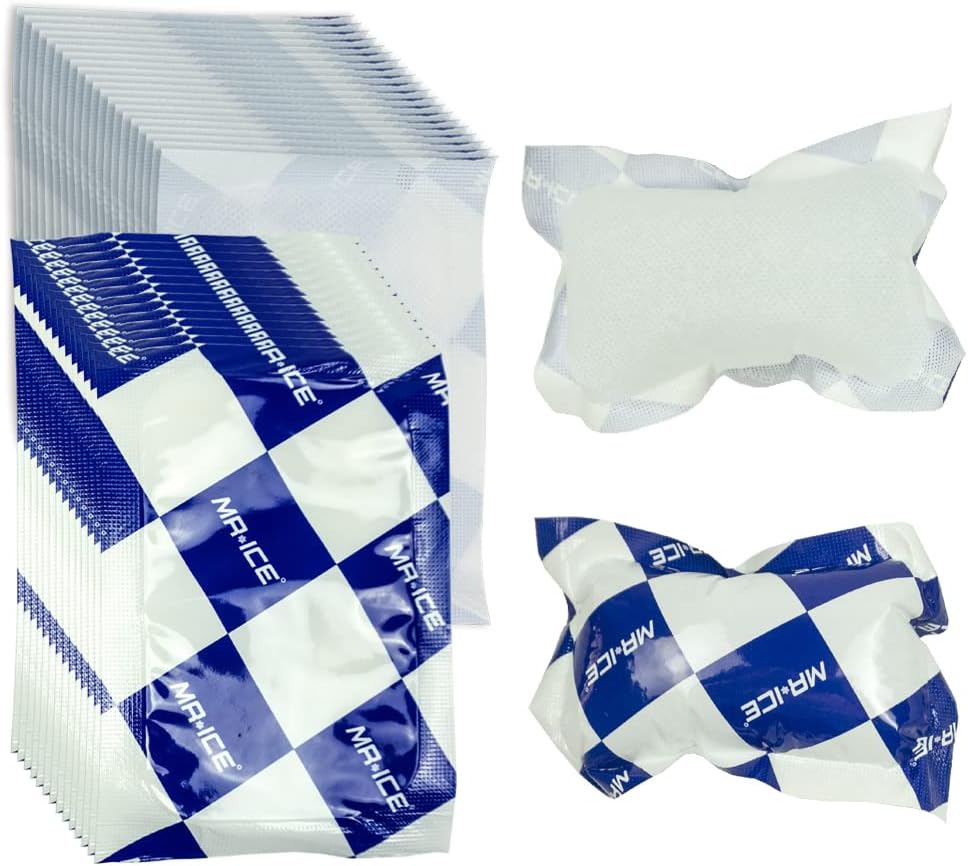
- Reusable freezer design supports everyday lunches without disposable ice.
- Non-toxic cooling material suits regular use around packed foods.
- Compact format fits easily beside containers inside lunch bags.
- Sealed construction prevents loose meltwater from soaking packed items.
- - Multi-purpose design works for lunch bags and portable coolers.

- Flexible cooling sheets fit around containers inside crowded lunch bags.
- Reusable design supports repeated freezing for regular packed lunches.
- Long-lasting cooling format suits food transport and extended trips.
- Flat construction takes less space than bulky rigid freezer blocks.
- - Adaptable sheet design works inside lunch bags and coolers.

- Compact ice packs fit easily inside smaller kids lunch bags.
- Reusable design supports repeated freezing throughout the school week.
- Kid-friendly size leaves more room for food containers and snacks.
- Multiple pack format allows cooling to surround refrigerated lunch items.
- - Slim construction helps reduce unnecessary bulk inside packed lunches.

- Waxed canvas construction provides a durable reusable lunch carrying design.
- Insulated lunch storage helps slow warming during daily transport.
- Included cooling setup keeps refrigerated foods colder while traveling.
- Reusable bag format reduces dependence on disposable lunch packaging.
- - Spacious design accommodates containers, snacks, drinks, and cooling packs.
Start with the lunch you actually carry
The best lunch bag ice packs are the ones that fit your food containers, insulated bag, freezer space, and daily routine together. A large pack can look reassuring on a product page yet leave no room for lunch. A slim pack may fit neatly but still require a different arrangement around bulky containers. Start with your normal meal rather than shopping for the biggest advertised cooling claim.
Lay out the closed containers you use most often, including snacks and a drink if you carry one. Decide which foods require refrigeration and which can be transported without it according to their storage instructions. Keep foods that need cold storage chilled before packing; an ice pack is not a substitute for cooling a freshly prepared hot meal appropriately. Do not judge food safety by whether the bag exterior feels cool.
Think through the whole journey: leaving home, commuting, waiting for lunch, and returning. Access to a suitable refrigerator changes your plan more than an attractive pack shape does. Store perishable food in refrigeration when it is available, and follow current official food-safety guidance for your meal and circumstances. This guide does not promise a safe holding time for any pack or bag. If the storage history is uncertain, do not rely on smell or taste to decide whether food is safe.
Check the fit before comparing pack formats
Measure the useful interior of the bag, not just its exterior dimensions. Thick insulation, rounded corners, internal pockets, and a curved zip opening can reduce usable space. Compare those measurements with the pack dimensions and the container footprint. A paper template is a convenient way to check whether a proposed pack can lie flat without bending the bag or obstructing the closure.
Rigid packs hold a predictable shape and can sit beneath a flat-bottomed container, provided they fit. Flexible formats may accommodate a different layout, but check their shape when frozen: something pliable at room temperature may become stiff in use. Segmented designs can offer placement options, yet their seams and overall thickness still matter. These are layout considerations, not a ranking of cooling performance.
Leave room to close the bag normally. A zip that must be forced around a pack or bottle makes the arrangement inconvenient and can stress the bag. Test the handle and balance with a typical lunch inside; the combined weight is what you carry, not the listed pack weight alone. Children should be able to manage the loaded bag and open containers without struggling.
Also check the available freezer shelf or drawer. A broad thin pack is useful only if it can be frozen in the position the manufacturer specifies. Avoid buying a shape that requires a daily rearrangement of the entire freezer. Practical fit at both ends of the journey makes a pack easier to use consistently.

Read cooling claims as conditional, not guaranteed
Cooling duration depends on more than the pack. Starting food temperature, the amount and type of food, bag insulation, ambient conditions, pack preparation, and repeated opening all affect the result. A product's advertised duration may describe a setup that is different from your lunch. Do not translate a headline claim into a universal food-safety allowance.
Look for preparation instructions that explain how to freeze or otherwise ready the exact pack. Follow them rather than borrowing advice from a visually similar model. Some products have special filling, activation, or positioning requirements; confirm those requirements before purchasing. Do not improvise additions to a sealed pack, overfill a refillable design, or assume a pack is ready because only its outside feels frozen.
Choose a format you can prepare reliably. If freezer space is limited or lunches leave home on different schedules, a rotation of ready packs may be more practical than relying on the same set returning in time. Keep enough space around the packs to arrange them as instructed. A spare is useful for a missed preparation step, not a reason to use a partly prepared pack with perishable food.
For an unusual commute, outdoor shift, or unfamiliar bag, seek food-storage guidance appropriate to those conditions. Temperature checks can inform a storage plan when made and interpreted correctly, but this article does not prescribe a testing protocol or certify a combination of equipment. Avoid assuming that an apparently frozen pack means every item in the bag stayed suitably chilled.
Build a repeatable packing arrangement
Pack refrigerated foods shortly before departure where practical, using closed containers suitable for the meal. Place cold sources near the foods that need chilling without crushing delicate items or preventing lids from staying closed. Keep the bag closed during transport and avoid leaving it in a hot vehicle or direct sun. The illustrations show conceptual arrangements rather than validated cooling layouts.
Start with a simple arrangement you can repeat. A flat pack beneath a broad container may help use the base of the bag efficiently, while another position may work better for tall containers. Check manufacturer instructions for any constraints. Avoid creating a tight wedge that presses against a bottle cap or makes a container difficult to remove at lunchtime.
Separate drinks from items that can be damaged by moisture when the bag design permits it. Condensation can occur around cold objects even when an intact pack is not leaking. Closed food containers and a wipeable bag interior make cleanup easier; paper napkins and loose labels may need a dry pocket. Do not wrap packs so heavily that their intended arrangement is changed without considering the instructions.
At work, use an appropriate refrigerator for food when available. Our guide to office beverage coolers concerns a different equipment category: a drinks cabinet should not automatically be treated as suitable perishable-food storage. Check the appliance's intended use and the actual storage conditions rather than assuming every cool-looking cabinet serves the same purpose.
Match the routine to school, office, or travel
For a school lunch, prioritize manageable weight, uncomplicated packing, and containers that the child can open. Avoid arrangements requiring the child to handle loose food while moving packs around. Explain where the bag should be kept and how to return the packs. Follow the school's storage rules and official guidance for the foods being sent rather than expecting a pack to compensate for an unsuitable storage location.
For an office lunch, make a plan for arrival. Know whether a refrigerator is available, where the bag can be stored, and whether meetings routinely delay your meal. A neat bag can still be a poor solution if it spends the morning somewhere hot. Drinks and food also have different practical needs; our office water cooler and dispenser guide can help with workplace hydration planning, but it does not establish food-storage conditions.
For travel or outdoor work, be more cautious about variable conditions. Do not assume your familiar indoor routine transfers unchanged to a sunny vehicle, a long connection, or a warm site without refrigeration. Consider whether a different meal, suitable storage equipment, or access to refrigerated food would be the more sensible choice. The pack is one part of the system, not a guarantee.
Where lunches are packed for several people, keep individual arrangements easy to identify. A consistent place for ready packs and a simple return routine can reduce forgotten preparation. Choose organization that helps everyone use the equipment correctly without adding elaborate steps to a busy morning.

Inspect, clean, and store packs according to their instructions
Check packs before each use for cracks, swollen areas, damaged seams, or residue that could indicate leakage. Remove a damaged pack from service and follow the manufacturer's handling and disposal directions. Do not patch a damaged shell and assume it is suitable for carrying beside food. Keep pack contents away from food, children, and pets, and seek appropriate advice if accidental exposure occurs.
Cleaning instructions vary. Some packs can be wiped or washed in specified ways, while others have restrictions on immersion, detergents, or appliance cleaning. Read the exact care label rather than assuming dishwasher compatibility from a hard plastic exterior. Dry the outside before storing or freezing as directed, and clean the bag interior after spills or visible contamination.
A claim about pack construction is not a promise that the bag will never become wet. Distinguish ordinary condensation, a spilled drink, and an actual damaged pack. Investigate unexplained residue instead of putting the same pack straight back into rotation. Closed food containers reduce contact with surrounding moisture but do not eliminate the need for inspection.
Store packs where they will not be crushed, punctured, or confused with food. When using a freezer tray, leave enough room to remove the packs without forcing them against drawer edges. Check that any refillable model remains filled and closed only as directed. Replace equipment that no longer supports a dependable preparation and packing routine rather than trying to extract indefinite service from a deteriorating pack.
Make the evening reset easy to remember
A useful ice pack loses its value when it is left in yesterday's lunch bag. Create a return sequence: empty the bag, put food away appropriately, clean containers and the interior as needed, inspect the packs, then prepare them according to their instructions. Keep this sequence short enough to perform even on a busy evening.
Position the bag and containers where you will notice them before leaving, without leaving perishable food out ready for the morning. A reminder on a calendar or a brief checklist can support the habit. Our article on organizing tomorrow today offers a broader planning perspective; here the practical goal is simply to prevent a forgotten pack or missing container.
If you keep a rotation, distinguish ready packs from those that have just returned. Use a consistent freezer location rather than relying on memory. Check the instructions whenever a different pack enters the household; matching appearance does not ensure matching preparation. Avoid assigning readiness based only on which shelf an item occupies.
Review the routine when your schedule changes. A new commute, different lunch container, or later break may mean the old arrangement needs reconsideration. Keep notes about fit, weight, preparation convenience, and cleanup rather than treating one uneventful day as proof of food safety. Small practical adjustments are useful when they make correct preparation easier, not when they substitute for appropriate storage.

Use a final shortlist that reflects your real constraints
Before choosing from the ranked packs above, compare the exact dimensions, preparation directions, care requirements, and intended use of the variant you would buy. Check that the listing describes the same size and pack quantity you selected. A compact set and a larger version may share photographs while fitting your bag differently.
Prioritize a combination of bag fit, manageable weight, convenient preparation, and inspectable construction. Avoid paying extra solely for an unsupported promise of all-day chilling or treating a reassuring product name as a food-safety certification. A pack should solve a concrete packing problem and work within a suitable storage plan.
Your final check is straightforward: can you prepare it as instructed, place it beside the closed containers without forcing the bag shut, transport it conveniently, and clean and inspect it afterward? Is suitable refrigeration available when the meal needs it? If any answer is unclear, resolve that point before relying on the new arrangement.
The ranked list is a starting point for shopping, not a controlled test of your meal or commute. Use the buying guide to narrow practical options, then confirm current manufacturer instructions and relevant official food-safety advice. A reliable routine matters more than the most dramatic cooling claim on a product page.
Lunch bag ice pack questions
What size ice pack should I buy for my lunch bag?
Compare the pack's dimensions with the bag's usable interior and your closed food containers. Leave room to close the bag normally and check the combined carrying weight. Exterior bag dimensions alone may not describe usable space.
Are rigid or flexible lunch ice packs better?
The better format depends on your container layout and preparation routine. Rigid packs keep a predictable shape, while some flexible designs offer placement options. Check how the exact pack behaves when frozen and follow its instructions; format alone does not establish cooling performance.
How long will an ice pack keep my lunch safe?
There is no universal safe holding time for an ice pack. Food starting temperature, the bag, ambient conditions, pack preparation, and handling all affect storage. Follow current official food-safety guidance and use suitable refrigeration when available rather than treating an advertised duration as a guarantee.
Where should I put ice packs in the lunch bag?
Arrange prepared cold sources near the closed containers holding foods that need chilling, following the pack and bag instructions. Keep lids secure and leave the bag able to close without force. The illustrations show possible layouts, not validated food-safety arrangements.
Can I put reusable ice packs in the dishwasher?
Only if the exact manufacturer's instructions permit it. Shell material alone does not establish dishwasher compatibility. Follow the specified cleaning method, inspect for damage, and dry the exterior before storage or freezing as directed.
Should I replace a cracked or leaking ice pack?
Remove a damaged pack from service and follow its manufacturer's handling and disposal instructions. Keep contents away from food, children, and pets. Do not patch the shell and assume it is suitable for carrying beside food.