


- Advanced beamforming microphone array captures voices across the entire conference room
- Customizable audio coverage zones allow tuning for different room layouts
- Compatible with Dante audio networking and modern conferencing platforms
- Dual mounting options support ceiling tile replacement or suspended installation
- USB and PoE+ connectivity simplifies integration with meeting room systems

This ceiling microphone quietly fixes the biggest problem in conference rooms
When companies start looking for the Best Ceiling Microphones for Conference Rooms, the first issue they usually notice is poor audio. Video systems improve every year, but meeting room microphones often remain inconsistent. People at one end of the table sound clear while others sound distant or muffled.
The Shure Stem Ceiling microphone is designed to address that exact issue. Instead of placing microphones on the table, it mounts directly in the ceiling. From there it captures voices across the entire room using beamforming microphone technology.
Ceiling microphones solve a surprisingly common meeting room problem. Table microphones tend to pick up typing sounds, paper movement, and laptop fans. Moving the microphone to the ceiling removes those noises while maintaining clear voice pickup.
Beamforming audio capture changes how conference rooms work
The core feature of this system is beamforming microphone technology. Instead of relying on a single pickup point, the microphone array contains multiple microphones working together. The system electronically steers its pickup pattern toward active voices in the room.
This means the microphone focuses on speech rather than background noise. The result is a clearer audio signal for remote participants during hybrid meetings. In rooms with several participants speaking from different positions, that clarity becomes extremely important.
The beamforming microphone array captures voices across the room without requiring people to sit directly near a microphone. Participants can speak naturally from anywhere at the table. Remote listeners hear the conversation evenly instead of hearing one voice much louder than others.
Coverage is also customizable through the Stem ecosystem. Installers can adjust audio pickup zones depending on the size and layout of the conference room. For example, coverage may focus on the conference table while ignoring noise from doorways or hallways.
This type of adjustment is valuable in real offices. Conference rooms often sit near open workspaces or busy corridors. Without proper tuning, microphones may capture unwanted background noise.
Another practical advantage is compatibility with Dante audio networking. Dante allows audio signals to travel over standard Ethernet networks. AV teams can route microphone audio directly into digital signal processors, conferencing systems, or recording setups.
That flexibility helps when conference rooms evolve over time. A company might begin with simple video meetings and later expand into recorded training sessions or livestream presentations. Dante support makes those upgrades easier.
Installation details matter more than people expect
The physical design of the microphone is also practical. It supports two mounting options. Installers can either replace a standard ceiling tile with the microphone unit or suspend it slightly below the ceiling surface.
The dual mounting options simplify installation in many offices. Not every building has the same ceiling layout, especially in renovated offices or coworking spaces. Flexible mounting prevents installation delays.
Power over Ethernet also simplifies wiring. PoE+ allows the microphone to receive power and network connectivity through a single Ethernet cable. This reduces the number of cables required during installation.
Another benefit of ceiling microphones is room aesthetics. Table microphones and cables often clutter conference tables. Removing that equipment keeps the meeting space cleaner and easier to organize.
Training rooms benefit from this design as well. Instructors can move around the room freely while the microphone continues capturing their voice. Table microphones would require repositioning or additional equipment to achieve the same coverage.
Why this microphone ranked number one
This microphone sits at the top of our list of the best ceiling microphones for conference rooms because it combines advanced audio technology with practical installation features. Beamforming voice pickup, customizable coverage zones, and Dante networking support create a system that adapts to many different room environments.
Many ceiling microphones capture audio well but require complicated configuration or additional hardware. The Stem ecosystem simplifies deployment while still offering professional audio performance.
For organizations building modern hybrid meeting spaces, the combination of beamforming audio capture and flexible installation makes this microphone especially effective. That balance of performance, adaptability, and real world usability is exactly why this model earns the number one position in this ranking.

- Designed specifically for Logitech Rally Mic Pod ceiling installations
- Clean ceiling mounted microphone placement removes clutter from meeting tables
- Integrated cable management keeps conference room wiring organized
- Compatible with Logitech Rally and Rally Plus conference systems
- Low profile white design blends naturally into modern office ceilings
This ceiling microphone mount quietly improves how conference rooms sound
When organizations start searching for the Best Ceiling Microphones for Conference Rooms, they often focus on the microphone hardware itself. But the way a microphone is installed can be just as important as the technology inside it. The Logitech Rally Mic Pod Ceiling Mount focuses on solving the installation side of that equation.
This accessory is designed for Logitech Rally microphone pods, allowing them to be mounted directly in the ceiling instead of sitting on the conference table. That simple change can improve both audio quality and the usability of a meeting room. It also removes cables and microphones from the table surface.
Conference tables tend to become crowded with laptops, power cables, and documents. Adding microphones to that mix creates additional clutter and sometimes accidental noise. Moving the microphone system into the ceiling removes that interference.
Why ceiling mounted microphones change meeting room audio
One of the biggest problems in modern conference rooms is mechanical noise. Table microphones often pick up keyboard typing, laptop cooling fans, and people moving papers. Those sounds can travel through the microphone directly into the meeting audio.
Ceiling mounted microphones reduce that problem significantly. Because the microphones are suspended above the room rather than sitting on the table, they capture voices while ignoring most surface noise. The result is cleaner audio during hybrid meetings.
The ceiling mounted microphone placement removes table noise and allows participants to speak naturally without worrying about microphone distance. This is particularly helpful in boardrooms where several people may speak during discussions.
The Logitech ceiling mount was designed to work with Rally Mic Pods, which use beamforming technology to capture voices across the room. When mounted on the ceiling, those microphones gain a broader perspective of the entire conference table. This allows the audio system to balance voices more evenly.
Another practical detail is cable management. Conference room technology often fails not because of hardware issues but because cables become tangled or accidentally unplugged. Ceiling mounting routes cables above the room rather than across the table.
The mount integrates cable routing inside the mounting system. This keeps the installation clean and reduces the risk of cables being pulled during meetings. In long term conference room installations, that small detail makes a noticeable difference.
The design focuses on clean installation and flexibility
Conference rooms are usually designed to look professional and uncluttered. Visible audio equipment on the table can disrupt that aesthetic. Ceiling mounted microphones maintain a clean appearance while still capturing room audio effectively.
The low profile ceiling mount design blends into office ceilings without drawing attention to the microphone system. In modern offices with suspended ceiling tiles, the mount integrates naturally with the surrounding layout.
Another advantage is compatibility with Logitech Rally and Rally Plus systems. Many organizations already use these video conferencing solutions for cameras and speakers. The ceiling mount expands that ecosystem without requiring new audio hardware.
Meeting rooms also benefit from the improved seating flexibility that ceiling microphones provide. With table microphones, participants sometimes try to sit near the microphone to ensure they are heard. Ceiling microphones allow everyone to speak naturally from any seat.
This becomes especially useful during collaborative meetings where participants move around the table. Audio capture remains consistent regardless of seating position.
Why this system ranked number two
This product ranks second on our list of the best ceiling microphones for conference rooms because it focuses on installation quality rather than microphone technology itself. It does not include a microphone array but instead provides the mounting system that allows Logitech Rally microphones to perform better.
Some higher ranked products include integrated beamforming microphone arrays with built in coverage tuning. Those systems combine hardware and installation in a single device.
However, the Logitech ceiling mount still delivers strong value for organizations already using Rally systems. The combination of clean installation and improved microphone placement makes it an effective upgrade for many conference rooms.
For teams looking to improve audio clarity while keeping meeting spaces organized, this mounting solution provides a practical step toward better hybrid meeting performance.

- High output condenser microphone designed for ceiling mounted installations
- Flush mount design keeps conference rooms visually clean and professional
- Wide frequency response captures speech clearly during meetings and presentations
- Cardioid pickup pattern helps reduce background noise and room reflections
- Compatible with professional audio mixers and conferencing audio systems
A ceiling microphone built for clear speech capture in real meeting rooms
When organizations search for the Best Ceiling Microphones for Conference Rooms, they usually want one thing above all else. Clear voice capture without constant adjustments. The Audix M70 ceiling microphone is built around that idea.
This model is a flush mount condenser microphone designed specifically for ceiling installations. Instead of placing microphones on the conference table, the microphone sits above the room and captures speech from below. That placement removes clutter from the meeting table while maintaining consistent audio pickup.
Many conference rooms struggle with uneven audio levels. Participants closest to the microphone sound clear, while those farther away sound distant. Ceiling mounted microphones help reduce that problem by covering a wider listening area.
Why ceiling placement improves conference audio clarity
Traditional conference microphones often sit directly on the table surface. While this can work in small rooms, it introduces several challenges. Keyboard typing, paper movement, and laptop vibrations can all enter the audio signal.
The Audix microphone avoids those issues through ceiling placement. Because it is mounted above the room, it focuses on voices rather than table noise. This improves clarity during meetings where multiple people participate.
The flush mount ceiling microphone design captures voices evenly across the conference table. This allows participants to speak naturally without leaning toward a microphone. Remote attendees hear the discussion more clearly.
The microphone uses a cardioid pickup pattern. Cardioid microphones capture sound primarily from the front while reducing noise from the sides and rear. This directional pattern helps isolate speech during meetings.
In practical terms, that means fewer echoes and less room noise entering the call. In rooms with reflective surfaces such as glass walls or large displays, this directional control becomes important. Without it, audio recordings can become muddy.
Another benefit is the microphone’s high output condenser design. Condenser microphones are known for their sensitivity and accuracy. They capture subtle vocal details that dynamic microphones may miss.
This sensitivity helps maintain speech clarity during video conferences or recorded presentations. Even softer voices remain understandable without raising microphone gain excessively.
The design fits well in professional conference environments
Conference rooms often serve both functional and visual purposes. Executives, clients, and remote participants all interact in the same space. Equipment that blends into the environment is usually preferred.
The low profile flush mount ceiling microphone installation keeps the conference table free from cables and devices. This creates a cleaner and more professional meeting environment.
Installation also tends to be straightforward for AV technicians familiar with professional audio equipment. The microphone connects to standard audio mixers or digital signal processors used in conferencing systems.
Because it integrates with existing audio infrastructure, the microphone works well in corporate conference rooms and training environments. Many companies already operate DSP based audio systems that manage echo cancellation and signal routing.
In training rooms this microphone can also capture instructors presenting to a group. The ceiling position allows the instructor to move naturally while speaking. Table microphones would require repositioning during these sessions.
This flexibility becomes valuable in hybrid meetings where participants join both in person and remotely. Clear audio ensures remote listeners can follow the conversation without difficulty.
Why this microphone ranked number three
The Audix M70 earns the third position on our list of the best ceiling microphones for conference rooms because it delivers strong speech clarity and reliable installation design. Its condenser microphone technology and directional pickup pattern make it effective for professional environments.
However, some higher ranked models include advanced beamforming arrays or network audio features that offer greater coverage flexibility. Those systems can automatically adapt to larger conference spaces.
Even so, the Audix microphone remains a strong choice for organizations that want a dependable flush mount ceiling microphone for meetings. Its clear voice capture, clean installation design, and compatibility with professional audio systems make it a practical solution for many conference rooms.
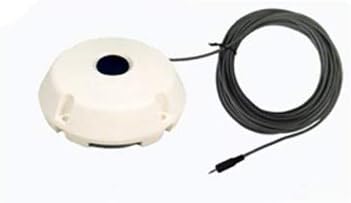
- Omni directional ceiling microphone captures voices from all directions
- Durable flush mount housing designed for permanent ceiling installation
- Wide frequency response optimized for speech monitoring applications
- Compatible with professional audio monitoring and conferencing systems
- Compact ceiling design blends into office and conference room ceilings
A simple ceiling microphone that focuses on capturing speech reliably
When companies search for the Best Ceiling Microphones for Conference Rooms, the goal is usually straightforward. They want clear voice pickup without cluttering the conference table with equipment. The Louroe Verifact A ceiling microphone focuses on that basic requirement.
This microphone is designed for permanent ceiling installation and speech capture. It uses an omnidirectional pickup pattern that captures sound from all directions in the room. In conference rooms where several participants speak during meetings, that wide pickup pattern can be helpful.
Many organizations underestimate how important microphone placement is. Table microphones are easy to install but they also pick up unwanted noise. Keyboard typing, paper movement, and laptop vibrations often end up in the meeting audio.
Ceiling placement changes how conference audio behaves
Ceiling microphones avoid many of the problems associated with table microphones. Because they sit above the room rather than on the table, they capture voices from a broader perspective. That placement reduces mechanical noise caused by objects on the conference table.
The Louroe microphone uses an omnidirectional pickup pattern. This means the microphone captures sound from every direction rather than focusing on a single direction. In small to medium conference rooms, this approach allows multiple speakers to be heard clearly.
The omnidirectional ceiling microphone captures voices evenly across the room without requiring participants to sit near a microphone. People can speak naturally during meetings without worrying about microphone placement. Remote participants receive a more balanced audio signal.
This type of microphone is particularly useful in meeting spaces where seating positions change often. In many boardrooms participants move between seats during collaborative discussions. A ceiling microphone continues capturing voices regardless of where people sit.
The microphone also features a durable flush mount housing. Once installed, it becomes part of the ceiling rather than visible equipment sitting in the room. Many companies prefer this approach because it keeps conference tables clean and organized.
Clean installation is not just about aesthetics. When microphones sit on the table, cables often become tangled or disconnected. Ceiling installation removes those cables entirely from the meeting area.
This microphone also integrates with professional audio monitoring systems and conference audio processors. These systems typically include digital signal processing that handles echo cancellation and noise reduction. The microphone provides the raw audio signal that those processors refine.
This design works best in straightforward meeting environments
Not every conference room requires complex beamforming microphone arrays. Some organizations simply need reliable voice pickup for meetings and discussions. In those environments, an omnidirectional ceiling microphone can be enough.
The flush mount ceiling microphone design keeps conference tables clear while capturing speech across the room. This helps maintain a professional appearance in meeting spaces where clients or executives frequently meet.
Training rooms also benefit from this design when instructors speak to groups seated at tables. The microphone captures voices across the room without requiring handheld microphones or additional equipment.
However, room acoustics still matter. In very large conference spaces or rooms with high ceilings, omnidirectional microphones may capture more room reflections. Advanced beamforming microphone arrays sometimes perform better in those situations.
Why this microphone ranked number four
This product appears at number four on our list of the best ceiling microphones for conference rooms because it offers reliable speech capture but lacks some of the advanced technologies found in higher ranked models. Modern beamforming microphone arrays can actively focus on speakers and reduce background noise.
Those systems provide more precise coverage in large conference rooms or hybrid meeting environments. They also often include network audio integration and automatic tuning features.
Even so, the Louroe Verifact A still provides a dependable ceiling mounted microphone for voice capture. For smaller meeting rooms that need consistent audio pickup and simple installation, it remains a practical and durable option.

- Tri element microphone design captures speech across multiple directions
- Suspended ceiling microphone improves coverage for large meeting tables
- Designed for conference rooms, distance learning, and presentation spaces
- Wide frequency response optimized for clear voice reproduction
- Lightweight hanging installation suitable for various ceiling heights
This hanging ceiling microphone takes a different approach to capturing meeting audio
Organizations searching for the Best Ceiling Microphones for Conference Rooms usually expect microphones that sit flush with the ceiling tile. The Audix M3 takes a slightly different approach. Instead of hiding inside the ceiling, it hangs slightly below it.
This design might look unusual at first. But there is a practical reason behind it. Lowering the microphone closer to the speakers improves voice pickup in larger rooms.
Conference rooms are rarely perfectly quiet spaces. Air conditioning vents, laptop fans, and hallway noise all compete with speech. Microphone placement often determines whether voices remain clear during meetings.
The tri element microphone design expands voice coverage
The Audix M3 uses a tri element microphone configuration. Instead of relying on a single microphone capsule, it contains three elements working together. Each element captures sound from different directions.
This design helps distribute audio pickup across a wider area. In conference rooms where several participants speak from different seats, the microphone can capture voices more evenly.
The tri element ceiling microphone design improves room coverage compared to single capsule microphones. Multiple pickup points allow the system to detect voices across a larger conference table. This becomes especially useful during group discussions.
In practical use, this means participants do not have to lean toward the center of the table to be heard. People can sit comfortably and speak naturally. Remote meeting participants receive a clearer representation of the conversation.
The hanging microphone position also improves audio capture in rooms with higher ceilings. Many offices install ceiling microphones several feet above the table. Suspended microphones shorten that distance slightly.
Reducing the distance between microphone and speaker can improve speech clarity. It allows the microphone to capture more direct voice sound and less room reflection. This can make recorded meetings easier to understand.
The microphone also features a wide frequency response designed for speech reproduction. Speech frequencies typically fall between about 100 Hz and 8 kHz. Microphones tuned for this range capture vocal details without emphasizing background noise.
Hanging microphones work well in training and education spaces
Suspended ceiling microphones are often used in classrooms and lecture halls. Those environments share many characteristics with conference rooms. Speakers move around while presenting.
The hanging ceiling microphone captures voices across the room without needing table microphones. This allows presenters to move between a whiteboard, display screen, or audience area. The microphone continues capturing their voice.
This flexibility also helps in hybrid meeting environments. Participants attending remotely rely completely on the microphone system to understand the discussion. If audio becomes inconsistent, engagement quickly drops.
Another advantage of hanging microphones is visual simplicity. Conference tables remain clear of equipment and cables. Meeting participants focus on the discussion rather than the technology.
Installation tends to be straightforward for AV professionals familiar with suspended microphone systems. The microphone connects to professional audio processors or mixers that handle signal routing and echo cancellation.
These audio processors often manage several microphones simultaneously in larger rooms. Each microphone contributes audio that the system mixes together for conferencing platforms.
Why this microphone ranked number five
This microphone sits at number five on our list of the best ceiling microphones for conference rooms because it uses a specialized design. The tri element configuration provides wide coverage, but the hanging format may not suit every meeting room.
Some organizations prefer flush ceiling microphones that blend completely into the ceiling tiles. Those systems also often include advanced beamforming technology that actively tracks speakers.
Still, the Audix M3 offers strong performance in many environments. The combination of tri element pickup and suspended installation allows it to capture voices clearly across larger meeting spaces. For conference rooms that need broader coverage without complex microphone arrays, it remains a practical option.

- Ceiling mounted microphone array designed for Polycom HDX conferencing systems
- Wide room audio pickup supports multiple meeting participants speaking naturally
- Professional conferencing audio designed for corporate meeting environments
- Clean ceiling installation removes microphones from conference tables
- Compatible with Polycom video conferencing infrastructure and audio processors
A conference ceiling microphone designed around traditional video meeting systems
Organizations researching the Best Ceiling Microphones for Conference Rooms usually want consistent audio across the entire meeting table. That requirement becomes especially important in rooms where hybrid meetings happen daily. The Polycom HDX ceiling microphone was built for those environments.
This microphone was designed to integrate directly with Polycom HDX video conferencing systems. Those systems were widely installed in corporate boardrooms for many years. Many companies still operate these environments today.
Because of that, ceiling microphones like this one remain relevant. Instead of replacing an entire conferencing infrastructure, companies often upgrade or maintain the audio components. A ceiling microphone allows them to improve audio coverage without redesigning the entire room.
Why ceiling microphones improve conference room conversations
Conference rooms often suffer from uneven audio pickup. Table microphones capture voices well near the center of the table but struggle with participants seated farther away. Ceiling microphones approach the problem differently.
By mounting the microphone above the room, the pickup pattern covers a larger area. Voices from multiple participants reach the microphone at similar distances. This results in more balanced audio during discussions.
The ceiling mounted microphone captures voices across the table without forcing participants to lean toward a microphone. This becomes especially useful in larger boardrooms where participants sit several feet apart.
Another benefit is reduced table noise. Conference tables often carry vibrations from laptops, typing, or papers sliding across the surface. A microphone mounted in the ceiling avoids many of these mechanical noises.
In practical meeting environments this leads to clearer conversations for remote participants. Hybrid meetings depend heavily on audio quality. If voices sound inconsistent or muffled, remote attendees struggle to stay engaged.
The Polycom microphone works within the broader Polycom conferencing ecosystem. These systems often include digital signal processing that handles echo cancellation and audio balancing. The microphone provides the initial voice signal that the system refines.
For organizations already using Polycom HDX video systems, this integration becomes particularly valuable. The microphone fits directly into the existing audio architecture. Installation becomes straightforward for AV technicians familiar with these systems.
The design focuses on stability and compatibility
Unlike newer beamforming microphone arrays, this model focuses on stable voice capture rather than automated speaker tracking. In many conference rooms that is still sufficient. Participants remain seated and speak toward the center of the table.
The ceiling microphone installation keeps conference tables uncluttered while maintaining consistent audio pickup. Removing microphones from the table also improves the visual appearance of meeting rooms.
Corporate boardrooms often prioritize clean design and minimal visible equipment. Ceiling mounted microphones allow the technology to remain mostly hidden while still functioning effectively.
Training rooms can also benefit from this type of installation. Instructors may move around the front of the room while presenting. Ceiling microphones capture those movements more easily than fixed table microphones.
However, room acoustics still play an important role. Rooms with high ceilings or strong echo reflections may require additional audio processing to maintain clarity. Modern beamforming arrays often include more advanced noise control.
Why this microphone ranked number six
This microphone appears at number six on our list of the best ceiling microphones for conference rooms because it was designed around an earlier generation of conferencing systems. It performs well in environments already built around Polycom HDX hardware.
Newer ceiling microphone arrays often include beamforming technology and automated speaker detection. These features allow microphones to focus on active speakers and reduce background noise more effectively.
Even so, the Polycom ceiling microphone still provides a dependable ceiling audio solution for existing conference rooms. For organizations maintaining Polycom video conferencing systems, it remains a practical option that delivers stable and consistent meeting audio.

- Ceiling mount stand designed for suspending microphones above conference tables
- Adjustable boom arm allows flexible microphone positioning in meeting rooms
- Durable steel construction built for long term installation reliability
- Clean ceiling mounted design keeps conference tables free of equipment
- Compatible with many hanging microphones used in conferencing environments
Sometimes the simplest conference room upgrade is just better microphone placement
When organizations research the Best Ceiling Microphones for Conference Rooms, they usually focus on microphone technology. Beamforming arrays, digital signal processing, and network audio systems often dominate the conversation. But microphone placement still plays a huge role in audio quality.
The K&M 22160 ceiling microphone mount focuses entirely on that placement. Instead of being a microphone itself, it is a ceiling mounted stand designed to suspend microphones above the conference table. This allows audio systems to capture voices from a more balanced position.
In many meeting rooms microphones sit directly on the table. While convenient, that location introduces several problems. Table vibrations, keyboard typing, and paper movement often enter the audio signal.
Moving microphones off the table can immediately improve audio clarity
Suspending microphones from the ceiling helps reduce mechanical noise. Because the microphone is physically separated from the conference table, vibrations do not travel directly into the microphone capsule. This results in cleaner speech capture.
The K&M mount allows microphones to hang at a controlled height above the table. That position keeps the microphone closer to the speakers while remaining out of the way. Meeting participants can focus on the discussion rather than the equipment.
The ceiling mounted microphone stand improves voice pickup by positioning the microphone centrally within the room. Instead of favoring one side of the table, the microphone hears everyone more evenly. This helps maintain balanced audio during conference calls.
Another advantage is flexibility. Different conference rooms have different layouts and seating arrangements. Adjustable mounting hardware allows installers to position the microphone exactly where it captures voices most effectively.
The adjustable boom arm makes this possible. The microphone can be extended outward from the ceiling mount and positioned above the center of the conference table. This flexibility helps accommodate various room sizes.
For example, in rectangular boardrooms the microphone can be positioned above the center of the table where most participants sit. In smaller meeting rooms it may hang slightly closer to the presenter area. The stand allows installers to fine tune placement.
Durability also matters for ceiling mounted hardware. Conference room equipment often remains installed for many years without adjustment. The steel construction used in the K&M mount ensures long term stability once installed.
This mount works well with many professional microphone types
Ceiling microphone mounts are commonly used with hanging condenser microphones. These microphones are often designed for conference rooms, classrooms, and lecture halls. The mount simply provides the physical support required to position them correctly.
The adjustable ceiling microphone mounting system supports hanging microphones used in conferencing audio systems. Once the microphone is attached, the mount keeps it securely suspended above the meeting space.
This setup also helps maintain a clean visual appearance. Conference tables remain free of cables, microphones, and stands. In executive boardrooms this clean look is often preferred.
Hybrid meeting environments also benefit from this approach. When microphones are positioned properly above the table, remote participants hear conversations more clearly. Voices sound more balanced rather than coming from one side of the room.
Training rooms and presentation spaces can also use this setup. Instructors often move between presentation screens and discussion areas. Ceiling mounted microphones continue capturing speech without requiring handheld microphones.
Why this product ranked number seven
This product appears at number seven on our list of the best ceiling microphones for conference rooms because it is not a microphone itself. Instead, it provides the mounting hardware required to suspend microphones properly.
Higher ranked products include complete ceiling microphone systems with built in audio capture technology. Those solutions combine microphone arrays, digital signal processing, and networking features.
Even so, the K&M mount still serves an important role in many installations. The ability to position microphones correctly above conference tables can significantly improve audio quality when paired with the right microphone.
For conference rooms using suspended condenser microphones, this mounting solution remains a practical and reliable accessory that helps audio systems perform at their best.