


- Includes 500 standard 4x6 shipping labels per stack for consistent high-volume printing
- Direct thermal technology eliminates the need for ink toner or ribbon supplies
- Strong permanent adhesive sticks securely to cardboard poly mailers and packages
- Perforated fanfold design allows smooth high speed printing without label jams
- Compatible with popular thermal printers including Zebra Rollo and similar models

These 4x6 shipping labels just make small business shipping easier
When someone runs a small online shop, shipping labels become a daily operational tool. The standard 4 x 6 thermal label size used by major carriers is not random. UPS, FedEx, USPS, and most shipping software format their barcode layouts specifically for this size because it gives enough room for tracking codes, addresses, routing marks, and machine readable data.
The MFLABEL 4x6 direct thermal labels are designed around that exact requirement. Each stack includes 500 labels measuring 4 inches by 6 inches, or 101.6 mm by 152.4 mm. That size works with almost every thermal shipping label printer used by Etsy sellers, Amazon merchants, warehouse staff, and small fulfillment operations.
One thing that matters a lot with shipping labels is print technology. These labels use direct thermal printing, which means the printer applies heat to the coated paper instead of using ink or toner cartridges. In practical terms this removes an entire supply cost category and eliminates smudging problems that can happen with inkjet printing.
No ink no ribbon and fewer things to break
Direct thermal labels work because the label surface contains a heat sensitive coating. When the printer head heats certain areas, the paper turns black and forms text or barcodes. That process is why direct thermal shipping labels do not require ink toner or ribbon and why businesses processing hundreds of shipments a week choose thermal printers.
This becomes very noticeable during high volume shipping days. A small business packing orders for an online store might print 60 to 100 labels in a short window. With thermal labels like these, the printer simply feeds the fanfold stack and prints continuously without needing cartridge changes or drying time.
The fanfold format also solves a common operational issue. Rolls sometimes cause feeding problems if the printer spindle diameter is slightly off. Fanfold stacks like the ones used by these MFLABEL labels allow smoother feeding and easier stacking beside the printer.
Another small detail that matters is perforation. Each label is separated with a clean tear line. That sounds minor until someone prints a batch of labels and needs to quickly separate them while packing orders. Clean perforation prevents tearing into the printable surface and keeps barcode edges intact.
Why adhesive strength matters more than people think
The adhesive backing on a shipping label does more than hold paper to a box. Carriers run packages through automated sorting systems with conveyor belts, rollers, and scanners. If a label corner lifts or slides during transit, the barcode might not scan correctly and the package can be delayed.
These labels use a permanent adhesive designed for cardboard cartons and poly mailers. In real situations this matters a lot. Sellers using weak labels often see them peel off glossy poly bags or wrinkle on recycled cardboard boxes.
Another practical detail is surface readability. Shipping labels must print high contrast barcodes that scanners can read instantly. Thermal paper designed for label printers creates crisp black images that remain legible through the shipping process, which often involves handling, stacking, and environmental temperature changes.
Temperature tolerance also plays a role in shipping labels. Many thermal label materials operate reliably in service temperature ranges roughly between 59°F and 149°F. That range covers most indoor packing environments and typical transport conditions.
Compatibility is another factor worth mentioning. These labels are commonly used with thermal printers such as Zebra or Rollo units, which are among the most common label printers used by e commerce businesses. Because the label dimensions follow the standard format, most shipping platforms automatically scale the print layout correctly.
Why we ranked this #1 for small business shipping
The reason this product earns the number one spot in the Best 4x6 Thermal Labels for Small Business Shipping category is simple. It focuses on the fundamentals that actually matter in daily shipping workflows.
You get a practical quantity of 500 labels per stack, a clean fanfold design for consistent feeding, and reliable adhesive that sticks well to shipping materials. The labels also follow the industry standard 4x6 format used by carrier software, which eliminates formatting issues.
Most importantly, they work with direct thermal printers so there are no ink cartridges, no ribbon refills, and fewer maintenance interruptions. For small businesses shipping orders daily, that operational simplicity becomes a real productivity advantage.
For those reasons we believe these reliable fanfold 4x6 direct thermal shipping labels deserve the number one ranking. They deliver exactly what a shipping label should provide: consistent printing, strong adhesion, and compatibility with the tools small businesses already use.

- Includes 500 fanfold 4x6 labels designed for high volume shipping workflows
- Direct thermal technology removes the need for ink toner or ribbons
- Strong adhesive backing securely sticks to cardboard boxes and poly mailers
- Compatible with major thermal printers including Rollo Zebra and MUNBYN models
- Perforated fanfold stack allows smooth feeding during fast batch label printing
These labels feel built for real shipping work
Small businesses that ship daily quickly learn that label quality affects everything. Printing problems, weak adhesive, or poor barcode contrast can slow down fulfillment. The MUNBYN 4x6 thermal labels are designed specifically for the workflow used by online stores that print dozens or hundreds of labels every day.
The labels follow the industry standard 4 by 6 inch format used by shipping carriers. USPS, FedEx, and UPS all generate shipping labels optimized for this size because it leaves enough room for tracking barcodes, routing codes, sender information, and destination addresses. Using the correct format helps scanners read packages correctly in automated sorting facilities.
Each pack typically includes 500 fanfold labels. That number matters more than it sounds. Many small businesses print labels in batches during order fulfillment sessions, so having a larger stack helps avoid interruptions during busy shipping days.
No ink cartridges means one less thing to worry about
These labels use direct thermal printing technology. Instead of using ink or toner, the printer applies heat to a coated paper surface that turns black where the label needs text or barcode graphics. The result is direct thermal printing without ink toner or ribbons, which simplifies the entire shipping setup.
This technology is the reason most modern shipping stations rely on thermal printers. Inkjet printers can smear when labels are exposed to moisture or when the ink has not fully dried. Thermal labels produce sharp, high contrast images that scanners can read quickly.
Many sellers discover the difference during peak order periods. A small online shop printing 80 labels in one evening does not want to stop halfway through because a cartridge runs out. Thermal label systems eliminate that problem and reduce long term printing costs.
Compatibility is another practical benefit. These labels work with many well known thermal printers including MUNBYN, Rollo, Zebra, and other direct thermal desktop printers. Because the dimensions follow the universal shipping format, most shipping software automatically prints labels correctly without resizing adjustments.
Shipping labels go through a rough process once a package leaves your hands. Conveyor belts, sorting rollers, and scanning stations handle packages quickly and repeatedly. If a label corner lifts even slightly, the barcode may not scan and the package could be delayed or manually sorted.
The adhesive used on these labels is designed for shipping materials such as corrugated cardboard and plastic poly mailers. A strong bond helps keep the label flat during transit. That detail supports clear barcode scanning and consistent package tracking.
The labels also come in a fanfold stack with perforation between each sheet. Fanfold stacks sit neatly behind the printer and feed smoothly without requiring a roll holder. That layout works especially well for small workstations where printers sit next to packing tables.
Another advantage of this format is easier handling after printing. When labels print continuously in a stack, workers can quickly tear them apart along the perforation while packing orders. This helps maintain an efficient rhythm during busy shipping periods.
In the Best 4x6 Thermal Labels for Small Business Shipping category, this product ranks second for a clear reason. It performs extremely well across the core requirements that matter for small shipping operations.
The labels provide reliable thermal printing, strong adhesive for shipping boxes, and compatibility with the printers most businesses already use. The fanfold design supports continuous printing without frequent loading adjustments. These are all critical features when running a shipping workflow day after day.
So why not rank one. The difference mostly comes down to slight variations in adhesive strength and long term durability compared to the top ranked option. Some users prefer slightly thicker label stock found in competing products.
Still, the overall performance remains excellent. For many sellers the reliable fanfold direct thermal shipping label design offered by MUNBYN delivers consistent printing, dependable adhesion, and smooth compatibility with shipping platforms. That balance of reliability and practicality makes this an easy recommendation and a strong number two choice.

- Includes 500 standard 4x6 fanfold labels designed for high volume shipping operations
- Direct thermal label technology eliminates the need for ink toner or ribbons
- Strong permanent adhesive sticks securely to cardboard boxes and poly mailers
- Compatible with major commercial thermal printers including Zebra Rollo and similar devices
- Clean perforated edges allow quick separation during batch shipping label printing
A solid set of thermal labels that simply gets the job done
Shipping labels are one of those supplies small businesses burn through faster than expected. If you run an online store or ship daily orders, the label itself becomes part of the operational workflow. The LIKED 4x6 thermal shipping labels are designed around that exact routine, where printing speed, readability, and adhesive reliability all matter.
The label size follows the standard 4 inch by 6 inch shipping format used by USPS, UPS, and FedEx. Shipping platforms like Shopify, ShipStation, and Pirate Ship generate label layouts specifically for this size because it provides enough space for address data and machine readable barcodes. Using the correct label size ensures scanners can read packages properly during automated sorting.
This pack includes 500 labels arranged in a fanfold stack. For small business owners, that quantity usually covers several days or even weeks of shipments depending on order volume. Having a consistent stack of labels reduces interruptions during packing sessions.
Direct thermal printing removes an entire category of supply costs
These labels use direct thermal printing technology. Instead of ink or toner, the printer head applies heat to the label surface, which activates a chemical coating and creates the printed image. The result is direct thermal shipping labels that require no ink or ribbon.
This is the reason thermal printers are common in warehouses and ecommerce fulfillment rooms. Inkjet labels can smear or fade when moisture or friction occurs during shipping. Thermal labels create darker barcode lines that scanners read more consistently.
In practice, the difference shows up during busy fulfillment periods. A small Etsy seller or Amazon merchant might print 70 labels during a single packing session. With thermal labels there is no concern about ink drying, cartridges running empty, or printer heads clogging.
Another advantage is compatibility. These labels work with a wide range of direct thermal printers including Zebra, Rollo, MUNBYN, and other commercial desktop label printers. Because the dimensions follow the universal 4x6 shipping standard, most software sends the label layout directly to the printer without manual scaling.
The adhesive and label structure matter more than most people realize
A shipping label has to survive a lot after it leaves the packing table. Packages move through conveyors, mechanical sorters, delivery trucks, and loading docks. If the label edges lift or the adhesive weakens, scanners might fail to read the barcode.
These labels use a permanent adhesive designed to bond well with cardboard cartons and plastic mailer bags. That type of adhesive helps keep the label flat during transportation. This supports clear barcode scanning during automated shipping sorting systems.
The fanfold design also improves feeding consistency. Roll labels sometimes jam if the spindle alignment is not perfect or if the roll tension changes. Fanfold stacks sit behind the printer and feed forward smoothly, which works well in small shipping stations.
Perforated edges between each label make separation easier while packing orders. When printing a batch of labels, workers can quickly tear each label off without damaging the print area. This keeps the barcode intact and avoids torn label corners.
Why this product sits at number three in the ranking
In the Best 4x6 Thermal Labels for Small Business Shipping category, this option lands in the third position. It performs reliably in the core areas that matter for shipping labels. The labels print cleanly, feed smoothly through thermal printers, and stick well to common packaging materials.
The fanfold stack design and perforation lines make batch printing simple. Small fulfillment setups benefit from that structure because labels can be printed continuously without dealing with roll holders. The compatibility with many popular thermal printers also makes them easy to integrate into existing shipping setups.
The reason it sits slightly below the top two options mostly relates to material thickness and adhesive strength preferences. Some sellers report that competing brands provide slightly heavier label stock for extremely high volume warehouse use.
Even with that minor difference, these remain a dependable choice. For many online sellers the consistent 4x6 direct thermal label performance for daily shipping makes this a practical and cost effective option that still earns a strong ranking in the list.

- 500 count pack of standard 4x6 thermal shipping labels for daily fulfillment tasks
- Direct thermal label technology removes the need for ink cartridges or ribbons
- Strong permanent adhesive sticks firmly to cardboard cartons and poly mailers
- Compatible with popular thermal printers including Zebra Rollo and MUNBYN devices
- Fanfold stack design allows smooth feeding for batch shipping label printing
A dependable thermal label option for everyday shipping tasks
Shipping labels are one of the most used supplies in small ecommerce operations. Every package needs a scannable barcode and address that carriers can read instantly. The LIKED 4x6 thermal shipping labels are built around the standard format used by major shipping platforms.
The label dimensions follow the industry standard 4 inch by 6 inch layout. USPS, UPS, and FedEx shipping systems are designed around this format because it gives enough space for tracking numbers, sender details, routing barcodes, and delivery addresses. Using the correct label size helps avoid scaling issues when printing through shipping software.
This pack includes 500 labels arranged in a fanfold stack. For many small businesses, that amount covers multiple days of orders depending on shipping volume. Having a reliable stack nearby makes packing workflows much smoother during busy fulfillment sessions.
Direct thermal printing simplifies the entire label workflow
These labels are designed for direct thermal printers. Instead of ink or toner, the printer head uses heat to activate a coating on the label surface that produces the printed text and barcode. That process creates clear direct thermal barcode printing without ink supplies.
This technology matters for businesses shipping frequently. Inkjet printers often struggle with smearing or fading when labels rub against packaging during transit. Thermal labels produce crisp black barcode lines that scanning systems can read quickly.
Another benefit is cost control. Ink cartridges and ribbons add ongoing printing expenses that thermal systems avoid completely. For small businesses shipping hundreds of packages each month, eliminating those supplies reduces operational overhead.
Compatibility also plays an important role. These labels work with common thermal printers such as Zebra, Rollo, and MUNBYN models. Because the dimensions match the universal shipping format, most ecommerce platforms send the label layout directly to the printer without adjustment.
Adhesive strength and feeding design support smoother shipping operations
A shipping label has to remain attached through multiple handling stages. Packages move through conveyor belts, sorting machines, delivery trucks, and loading facilities. If a label lifts or wrinkles, scanners might struggle to read the tracking barcode.
The adhesive used on these labels is designed for shipping surfaces like corrugated cardboard and plastic poly mailers. Once applied to a clean surface, it holds securely during transport. This helps maintain consistent barcode visibility throughout the delivery process.
The fanfold stack layout also contributes to smoother printing. Instead of feeding from a roll, the labels sit in a stacked configuration that feeds forward naturally through the printer. This reduces the chance of tension issues or uneven roll feeding.
Perforation between each label helps during order packing. When printing batches of labels, workers can separate them quickly along the tear line without damaging the printed area. That small design detail keeps packing stations moving efficiently.
Why this label option ranks fourth in our list
In the Best 4x6 Thermal Labels for Small Business Shipping category, this product lands at position four. It performs well in most areas that matter for shipping operations including compatibility, adhesive performance, and print clarity.
The labels integrate easily with common thermal printers and produce readable shipping barcodes. The fanfold design also makes continuous printing simple, especially for small workstations that do not use roll holders. These qualities make the labels a practical solution for many online sellers.
The reason it sits slightly below the higher ranked options mainly comes down to label thickness and adhesive strength preferences reported by some users. Competing products sometimes provide slightly heavier stock designed for higher volume warehouse environments.
Even with that small difference, the product still delivers strong performance. The reliable 4x6 thermal label format for small business shipping combined with simple thermal printing compatibility makes it a dependable choice for everyday ecommerce fulfillment tasks.

- Large fanfold stack of 4x6 shipping labels designed for continuous batch printing
- Direct thermal printing eliminates the need for ink toner cartridges or ribbons
- Clean perforated edges allow quick separation during high volume label printing
- Strong adhesive backing sticks reliably to shipping boxes and plastic mailers
- Compatible with many commercial thermal printers including Zebra and Rollo
A practical shipping label stack that works well for daily order fulfillment
Shipping labels seem simple until you start printing dozens of them every day. Small businesses shipping through USPS, UPS, or FedEx rely on labels that scan correctly and stay attached through the entire delivery process. The LIKED fanfold 4x6 thermal labels are built around the standard shipping label format used by major carriers.
The labels measure 4 inches by 6 inches, which is the most common format used by shipping software. Platforms like ShipStation, Shopify Shipping, and Pirate Ship generate labels optimized for this layout. The format allows enough room for routing barcodes, addresses, tracking numbers, and postage information.
This particular pack comes in a fanfold stack rather than a roll. Fanfold labels sit behind the printer and feed forward naturally while printing. Many small fulfillment setups prefer this configuration because it avoids problems with roll tension or spindle alignment.
Direct thermal printing makes label printing simpler
These labels use direct thermal printing technology. The printer head applies heat to the surface of the label paper, which activates a coating that forms the printed text and barcode. The result is direct thermal shipping labels that require no ink supplies.
This printing method removes the need for ink cartridges or ribbon refills. That matters more than people realize when a business is printing labels every day. Ink based printers require maintenance and sometimes produce smudged labels if the ink has not fully dried.
Thermal labels create high contrast barcode images that scanners read quickly. Shipping carriers depend on these barcodes for automated sorting systems. A crisp print improves scanning reliability and helps prevent packages from being routed incorrectly.
Compatibility is another useful feature. These labels work with many direct thermal printers used by small businesses including Zebra, Rollo, and other commercial shipping printers. Because the label dimensions match the standard 4x6 format, most shipping software prints them correctly without adjustments.
The fanfold design helps during batch label printing
Fanfold stacks have a practical advantage in small workstations. When printing multiple labels in a row, the stack feeds smoothly through the printer without needing a roll holder. This allows packing stations to maintain a steady workflow.
The labels also include perforation between each sheet. Workers printing batches of labels can separate them quickly while packing orders. This supports faster shipping label handling during busy fulfillment sessions.
The adhesive layer is designed to stick to common shipping surfaces such as corrugated cardboard and plastic mailer bags. Once applied to a clean package surface, the label remains attached through transportation. Reliable adhesion helps maintain clear barcode scanning throughout the delivery process.
Shipping environments can involve friction, stacking, and conveyor systems. Labels that curl or peel off may create scanning problems for carriers. A stable adhesive surface helps keep tracking information readable from warehouse sorting to final delivery.
Why this product lands at rank five in the list
In the Best 4x6 Thermal Labels for Small Business Shipping category, this option holds the fifth position. It performs well in several important areas including print clarity, compatibility with common thermal printers, and practical fanfold feeding.
The product works reliably for most ecommerce sellers who print shipping labels daily. The fanfold design supports continuous printing and the perforated edges make label separation simple. These details help maintain efficient packing workflows.
The reason it ranks slightly lower than some competitors mostly relates to label thickness and adhesive strength preferences among high volume shippers. Some higher ranked options offer heavier label material or stronger adhesive designed for larger warehouse operations.
Even with that difference, this product still provides dependable performance. The consistent 4x6 thermal label format used by major shipping carriers combined with simple fanfold printing makes it a practical solution for many small business shipping setups.
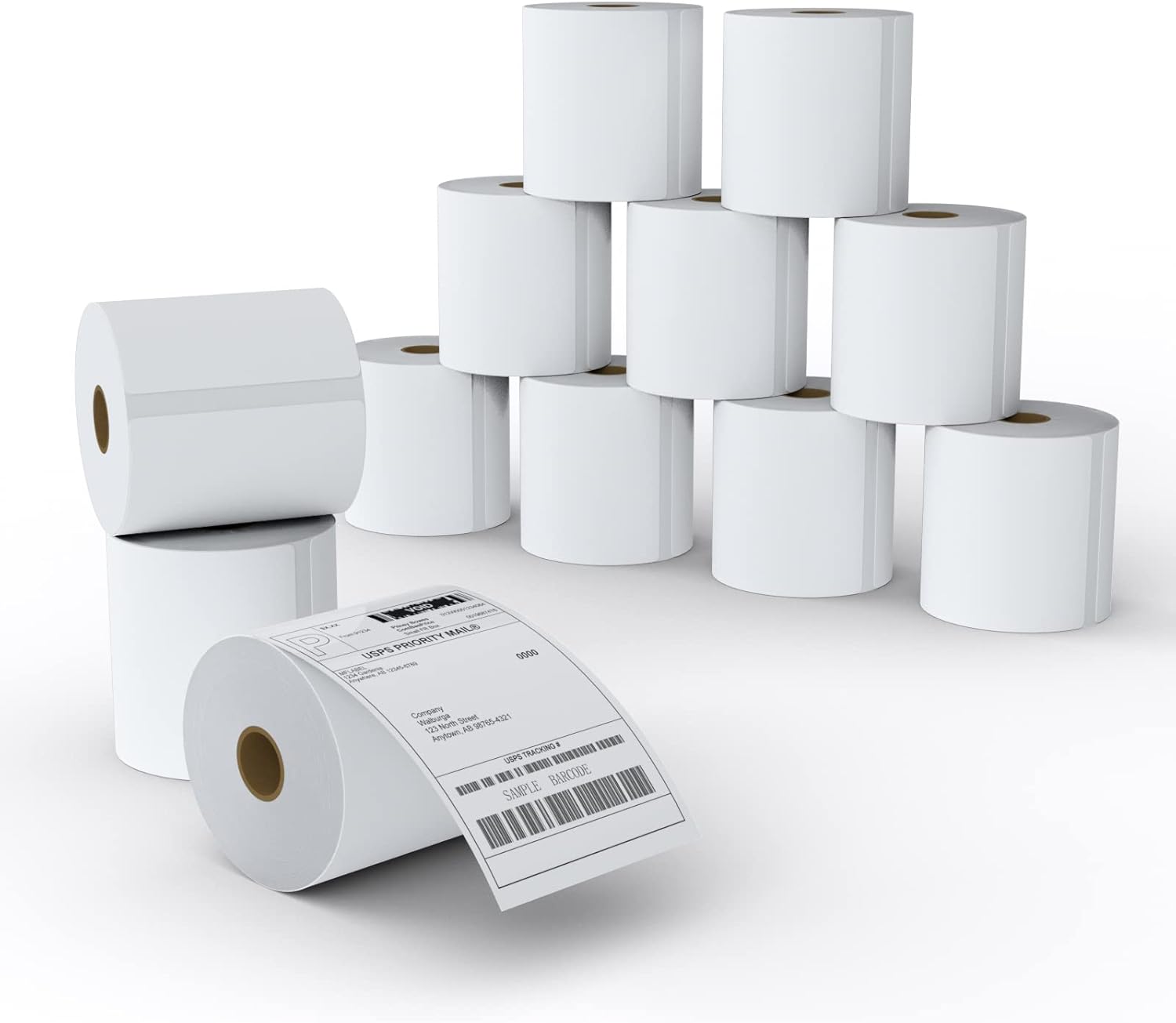
- Large 1000 count pack of standard 4x6 shipping labels for batch printing
- Direct thermal technology eliminates the need for ink toner or ribbon supplies
- Strong adhesive backing designed for cardboard boxes and poly mailers
- Fanfold stacked design allows smooth continuous feeding through thermal printers
- Compatible with popular shipping printers including Zebra Rollo and similar models
High quantity shipping labels that help when order volume starts climbing
Once a small business begins shipping regularly, the volume of labels used every week becomes noticeable. Labels stop being a minor office supply and turn into an operational necessity. The MFLABEL 4x6 fanfold thermal shipping labels are built around the standard format used by modern shipping systems.
Each label measures 4 inches by 6 inches, which is the format expected by most shipping carriers. USPS, UPS, and FedEx shipping software all generate labels that fit this size. The format leaves enough room for addresses, tracking numbers, routing codes, and barcode information.
This particular pack includes 1000 labels arranged in a fanfold stack. That higher quantity can be useful for businesses that ship frequently. Instead of restocking labels every few days, a larger stack can support multiple weeks of order fulfillment.
Direct thermal printing keeps the shipping process simple
These labels are designed for direct thermal printers. The printer head applies heat to the label surface, which activates a chemical layer that forms the printed image. This produces clear direct thermal barcode printing without ink cartridges.
Thermal printing is widely used in ecommerce fulfillment because it removes several common problems. Inkjet printers can smear or fade when packages rub against each other during shipping. Thermal labels produce darker barcode lines that scanners read more reliably.
Another practical benefit is lower maintenance. Ink cartridges and ribbons eventually run out or dry up. Direct thermal systems eliminate those supplies completely, which simplifies label printing for small business shipping setups.
Compatibility is another factor that makes these labels useful. They work with many desktop thermal printers used for shipping labels including Zebra, Rollo, and similar models. Because the labels follow the standard 4x6 format, most shipping platforms print them correctly without manual adjustments.
The fanfold stack design helps with continuous label printing
The labels are arranged in a fanfold stack instead of a roll. Fanfold labels sit behind the printer and feed forward smoothly while printing. This configuration works well for small packing stations where space is limited.
Each label includes perforation between sheets. When printing batches of labels, workers can separate them quickly along the tear line. This supports efficient label handling during daily order packing workflows.
The adhesive layer is designed for common shipping materials like corrugated cardboard boxes and plastic poly mailers. Once applied, the label remains attached during transportation. Reliable adhesion helps keep the barcode readable throughout delivery.
Shipping labels experience a lot of movement once a package enters the carrier network. Packages travel across conveyor belts, sorting machines, trucks, and loading docks. Labels that remain flat and secure improve the chance that automated scanners read the tracking information correctly.
Why this product ranks sixth in our comparison
In the Best 4x6 Thermal Labels for Small Business Shipping list, this product takes the sixth position. It performs well in several areas including quantity, compatibility, and reliable thermal printing performance.
The large 1000 label pack is especially helpful for businesses with growing shipping volumes. Fewer label changes mean fewer interruptions during busy packing sessions. The fanfold layout also allows continuous printing without roll alignment issues.
The reason it ranks slightly lower than other options mainly relates to material thickness and adhesive consistency reported by some users. Some competing brands provide heavier label stock or stronger adhesives designed for more demanding warehouse environments.
Even so, the product still offers solid performance for everyday ecommerce shipping. The standard 4x6 thermal shipping label format used by major carriers combined with direct thermal printer compatibility makes it a dependable option for many small business shipping setups.
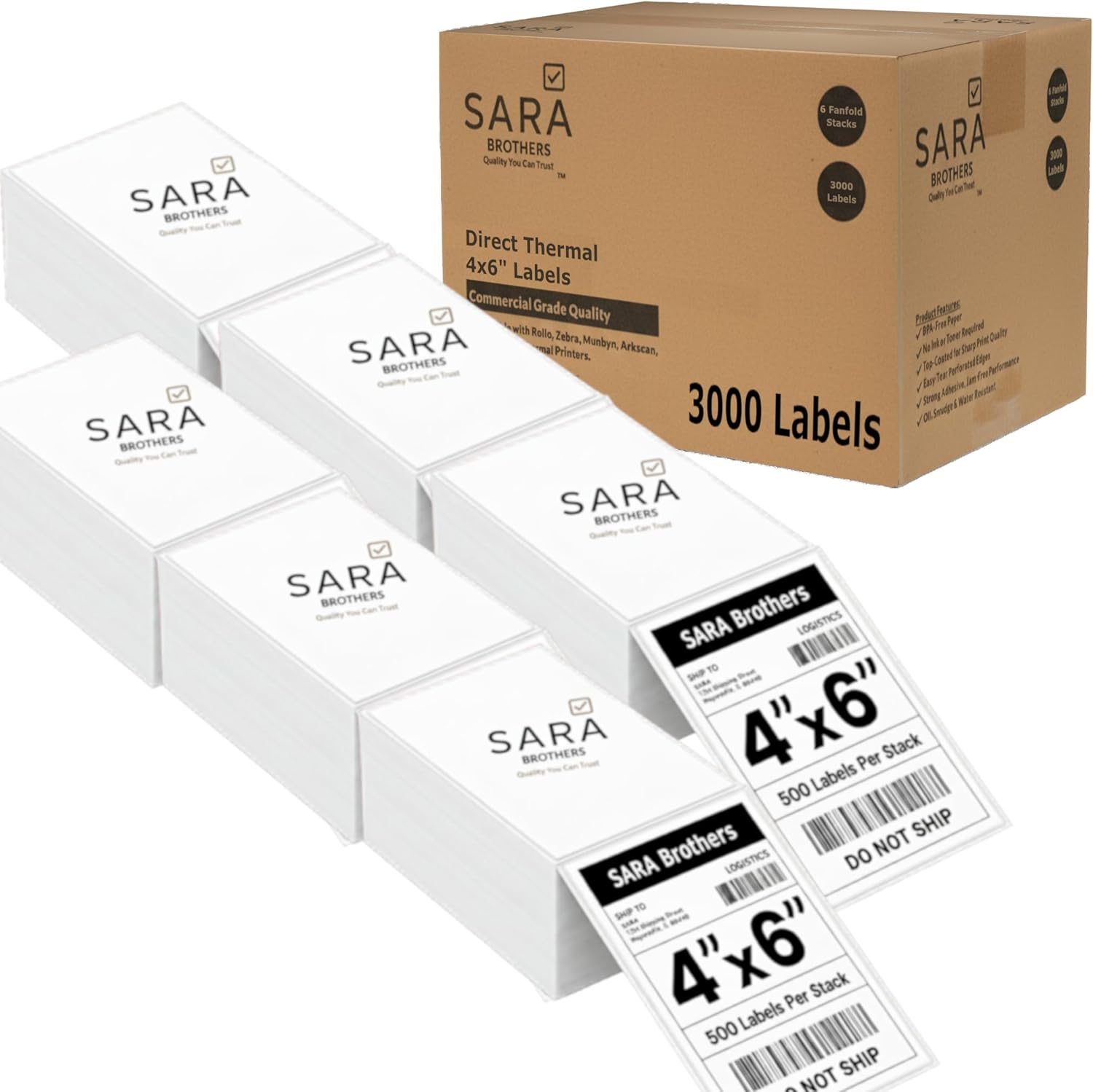
- Waterproof thermal label coating helps resist moisture during package transport
- Standard 4x6 shipping label size compatible with major carrier systems
- Direct thermal printing removes the need for ink toner or ribbon supplies
- Perforated fanfold stack allows smooth feeding and easy label separation
- Compatible with common commercial thermal printers such as Zebra and Rollo
A functional shipping label option that covers the basics
Every ecommerce shipment starts with a label that carriers can read instantly. The SARA Brothers 4x6 thermal labels are designed around the standard format used by modern shipping platforms. That format matters because shipping software generates labels based on exact dimensions.
The label size here is 4 inches by 6 inches, which is the most widely used shipping label layout. Carriers such as USPS, UPS, and FedEx rely on that format because it provides enough space for barcodes, addresses, routing numbers, and tracking information. Using the correct label size ensures scanning systems can process packages efficiently.
This pack uses a fanfold stack configuration rather than roll labels. Fanfold stacks sit behind the printer and feed forward while printing. Many small business shipping stations prefer this layout because it avoids roll alignment problems.
Direct thermal printing keeps shipping labels simple
These labels work with direct thermal printers. The printer head applies heat to the coated label surface, which creates the printed image without using ink or toner. That process produces direct thermal shipping labels that eliminate ink cartridge costs.
Thermal printing is commonly used in ecommerce fulfillment because it produces sharp barcode images. Clear barcode contrast is important since shipping carriers rely on scanners during automated sorting. A readable barcode reduces the risk of delays caused by manual package handling.
For businesses shipping frequently, removing ink supplies simplifies the workflow. Inkjet printers require cartridges that can dry out or run empty during busy packing sessions. Thermal labels avoid that issue entirely.
Compatibility is another advantage of the standard 4x6 format. These labels can be used with many direct thermal printers including Zebra, Rollo, and similar commercial shipping printers. Shipping platforms typically send labels directly to the printer without resizing.
Water resistance and fanfold design add practical benefits
The label surface includes a coating designed to resist moisture exposure. During shipping, packages may encounter rain, humidity, or condensation during transport. A coating that helps protect the printed surface supports better barcode visibility during package delivery handling.
The fanfold stack format helps with continuous label printing. Instead of loading a roll, the stack feeds forward naturally through the printer. This configuration is often used in small packing areas where printers sit beside packaging tables.
Perforation between labels allows easy separation after printing. When printing batches of labels for multiple orders, workers can tear them apart quickly along the perforation line. This small feature improves efficiency during order fulfillment.
The adhesive backing is designed for shipping surfaces like cardboard cartons and poly mailers. When applied to a clean surface, the label remains attached during normal handling and transport. Reliable adhesion helps maintain scannable tracking information throughout the shipping process.
Why this product ranks seventh in our list
In the Best 4x6 Thermal Labels for Small Business Shipping category, this option appears at position seven. The product covers the basic requirements for shipping labels including the correct size format, compatibility with thermal printers, and perforated fanfold design.
The waterproof coating and fanfold feeding structure are practical features for everyday shipping environments. Businesses printing labels in batches will still find the stack format easy to manage. The labels also integrate smoothly with many shipping software systems.
The reason it ranks lower than other options mainly relates to overall material consistency and adhesive performance reported by some users. Competing brands sometimes offer thicker label stock or stronger adhesives designed for heavier shipping environments.
Even so, this product still works for many smaller shipping operations. The standard 4x6 thermal label format used by ecommerce shipping systems combined with waterproof surface protection provides a functional solution for businesses looking for a simple shipping label option.